Wilderness Landscape & Natural Heritage
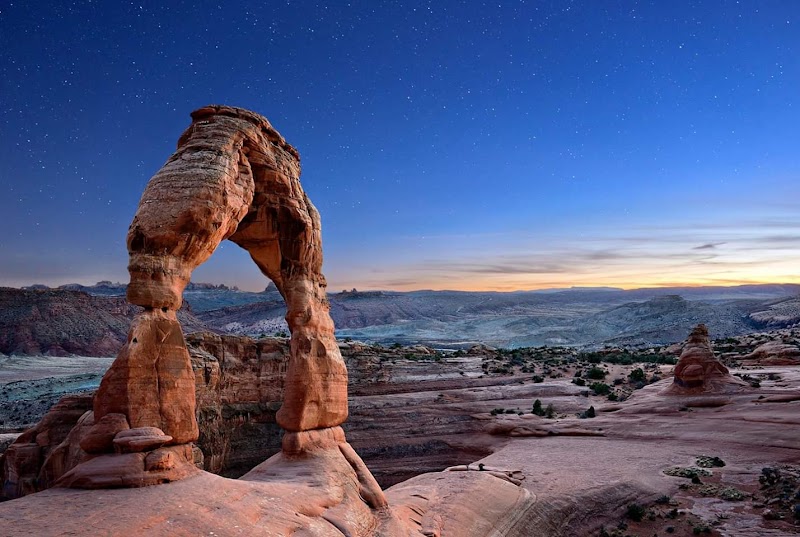
The Bureau of Land Management (BLM) oversees more than 245 million acres of public lands primarily located in the western United States, spanning states such as Arizona, California, Colorado, Idaho, Montana, Nevada, New Mexico, Oregon, Utah, Washington, and Wyoming. These lands include a wide variety of environments ranging from deserts, grasslands, and forests to mountain ranges and river corridors. BLM lands support rich ecosystems with native wildlife including mule deer, pronghorn antelope, bighorn sheep, sage-grouse, and numerous raptor species. Historically, BLM lands have been used for grazing, mining, and energy development, but also provide significant opportunities for recreation and conservation. Popular activities on BLM lands include hiking, mountain biking, camping, rock climbing, horseback riding, and off-highway vehicle use, attracting outdoor enthusiasts interested in less crowded, more rugged settings than those found in national parks. Notable landmarks on BLM lands include natural arches, slot canyons, scenic river corridors designated as Wild & Scenic Rivers, and culturally significant petroglyph sites. Visitor appeal is heightened by the variety of landscapes and the freedom to explore vast areas with minimal development. BLM lands often serve as gateways to wilderness areas and national monuments. Their management emphasizes multiple use and sustained yield, balancing resource extraction with recreation and habitat conservation. For visitors, these lands offer a sense of open space and connection with nature, often far from urban centers. Access ranges from remote backcountry areas accessible only by 4WD vehicles to established recreation sites with developed amenities.