Hamun Lake Ramsar Site wilderness guide
Ramsar Wetland of International Importance · Sistan and Baluchestan Province, Iran; Nimruz Province, Afghanistan; Helmand Province, Afghanistan

Hamun Lake Ramsar Site

Hamun Lake is a critical transboundary wetland and designated Ramsar site renowned for its unique desert ecosystem, vital bird habitats, and significant cultural landscape in the Sistan Basin.

Ramsar Wetland of International ImportanceApprox. 380,000 acres (154,000 hectares)

Designation

Ramsar Wetland of International Importance

Total Wilderness Area

Approx. 380,000 acres (154,000 hectares)

Elevation / Terrain

Diverse Wilderness

Field Editorial Guide

About Hamun Lake Ramsar Site

Hamun Lake is a critical transboundary wetland and designated Ramsar site renowned for its unique desert ecosystem, vital bird habitats, and significant cultural landscape in the Sistan Basin.

Wilderness Landscape & Natural Heritage

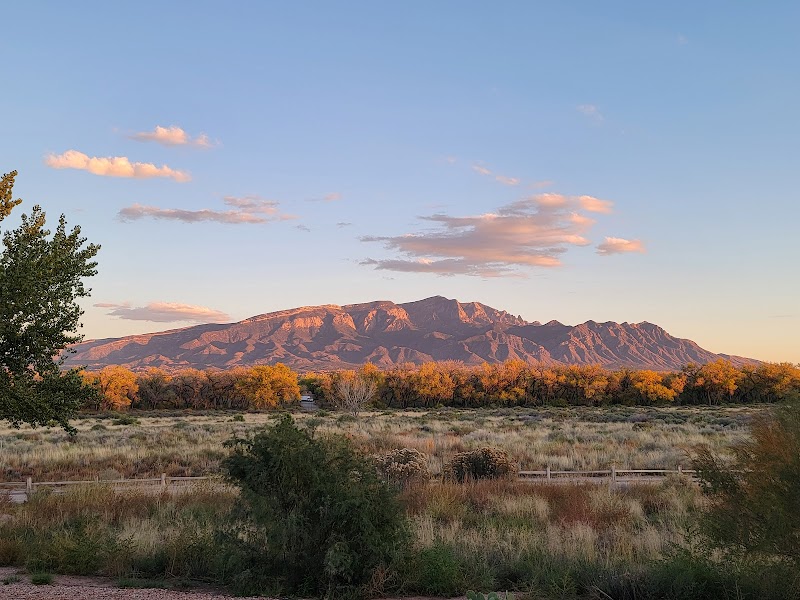
The Hamun Lake Ramsar Site encompasses a series of shallow lakes, marshes, and seasonal wetlands located at the terminal end of the Helmand River basin spanning southeastern Iran and southwestern Afghanistan. This transboundary wetland system, within the Sistan Basin, is characterized by its endorheic nature—meaning it retains water but has no outflow to other bodies of water. Ecologically, Hamun Lake plays a pivotal role as a critical stopover and breeding habitat for migratory waterbirds, including several endangered and vulnerable species such as the Dalmatian Pelican and the White-tailed Lapwing. The ephemeral wetlands fluctuate dramatically with seasonal inflows, linked to snowmelt and precipitation in the Helmand catchment, creating vital floodplain habitats supporting diverse aquatic and terrestrial biodiversity.

Historically, Hamun Lake held significant cultural and economic importance for the communities of the Sistan region, enabling traditional livelihoods such as fishing, reed harvesting, and pastoralism. In recent decades, the lake has suffered from severe desiccation caused by prolonged droughts, upstream water diversions, and climate change impacts, leading to dramatic reductions in wetland area and critical habitat loss. This ecological decline has spurred international conservation efforts aiming to restore water flows and sustain the Ramsar-designated wetland.

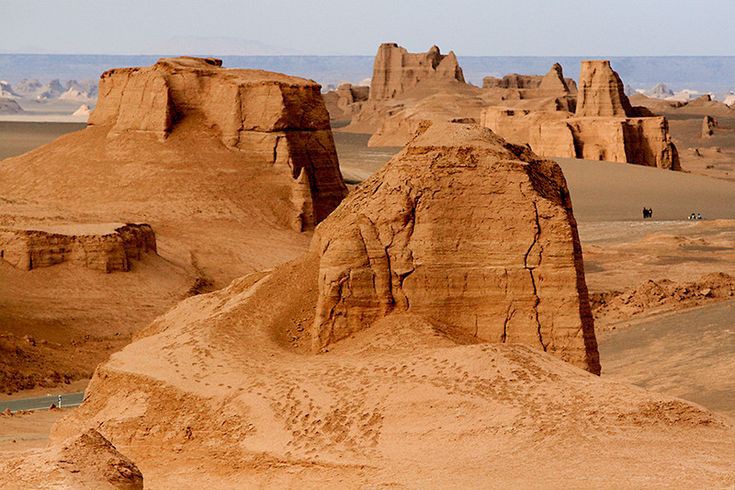
From a visitor’s perspective, Hamun Lake provides spectacular desert landscapes interspersed with rich birdlife, unique flora, and traces of ancient irrigation systems and archaeological sites of Sistan civilization. While infrastructure and access remain limited due to geopolitical and climatic challenges, the site attracts naturalists, birdwatchers, and researchers fascinated by its rare desert wetland ecosystem and cultural heritage. Sustainable management and improved transboundary cooperation are essential to preserving the remarkable ecological and historical value of the Hamun Lake Ramsar Site.
Field Guide · Ramsar Wetland of International Importance
Adventure Destinations

Notable Destinations Near Hamun Lake Ramsar Site

Scenic viewpoints, outdoor landmarks, and notable points of interest within 60 miles.

Key Wilderness Highlights

Critical habitat for migratory and endangered waterbirdsEphemeral desert wetland ecosystem unique to arid Central AsiaAncient agricultural and hydrological remains from Sistan civilizationTransboundary wetland shared between Iran and Afghanistan
Wilderness Recreation

Outdoor Adventures in Hamun Lake Ramsar Site

Explore curated guides for top outdoor sports, trail networks, and wilderness activities.

Park Recreation

Wildlife Viewing

Available in Hamun Lake Ramsar Site
Park Recreation

Birdwatching

Available in Hamun Lake Ramsar Site
Park Recreation

Photography

Available in Hamun Lake Ramsar Site
Park Recreation

Cultural and Historical Exploration

Available in Hamun Lake Ramsar Site
Park Recreation

Ecological Research

Available in Hamun Lake Ramsar Site
The Ranger Station

Visitor Logistics & Essential Planning

Everything you need to know about entrance passes, seasons, visitor centers, road transit, and wildlife safety in Hamun Lake Ramsar Site.

Passes & Fees

Entrance Requirements & Interagency Passes

No formal fees, but access requires permits and authorization from local and national authorities due to cross-border security protocols

Wilderness Checklist

Carry paper topographic map & compass in remote zones.
Store all food and scented items in approved bear canisters.
Check wildfire / smoke advisories before backcountry departure.
Pack out everything you pack in (Leave No Trace).
Adventure Basecamps

Gateway Towns Near Hamun Lake Ramsar Site

Stay, dine, and gear up in these mountain towns and scenic basecamps surrounding the park.

Zabol, Sistan and Baluchestan
29.71 miles
Gateway Basecamp

Zabol, Sistan and Baluchestan

Zabol offers desert adventurers a gateway to vast salt flats, bird-rich wetlands, and ancient ruins. Ideal from late winter through early spring, this remote town is perfect for hiking, off-road biking, and immersive cultural exploration.

Late Winter to Early Spring
Explore Town
Zabol, Sistan and Baluchestan Province, Iran
29.71 miles
Gateway Basecamp

Zabol, Sistan and Baluchestan Province, Iran

Zabol offers adventurous travelers a unique desert environment with rich history, striking salt flats, and vibrant birdlife. Its remote landscape invites hiking, bird watching, and cultural discovery away from crowded tourist routes.

Late Autumn to Early Spring
Explore Town
Nimruz, Afghanistan
51.11 miles
Gateway Basecamp

Nimruz, Afghanistan

Nimruz Province offers adventurous travelers vast desert landscapes, traditional camel treks, and stars like you've never seen before. Remote and largely untouched, it’s perfect for those seeking silence, solitude, and cultural heritage deep in Afghanistan’s southwest.

Late Autumn to Early Spring
Explore Town
Zaranj, Nimruz, Afghanistan
51.14 miles
Gateway Basecamp

Zaranj, Nimruz, Afghanistan

Zaranj is a remote desert town on Afghanistan’s southwestern border offering unique desert hiking, cultural exploration, and stargazing beneath vast, clear skies. Best visited in cool months with local guidance.

Late Autumn to Early Spring
Explore Town