Wilderness Landscape & Natural Heritage
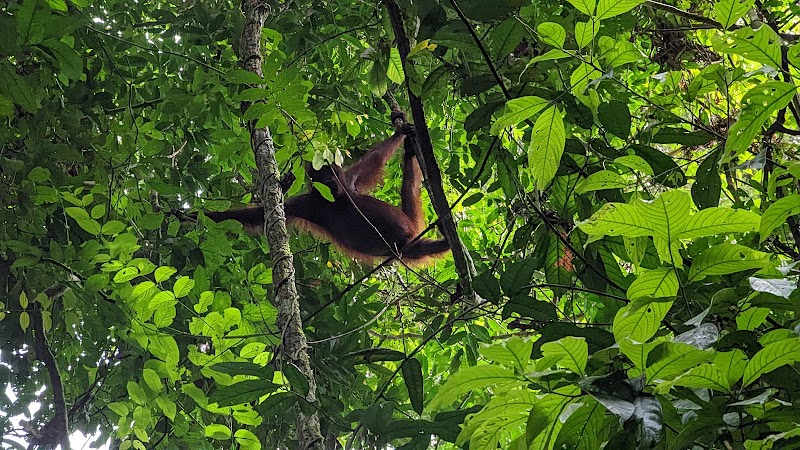
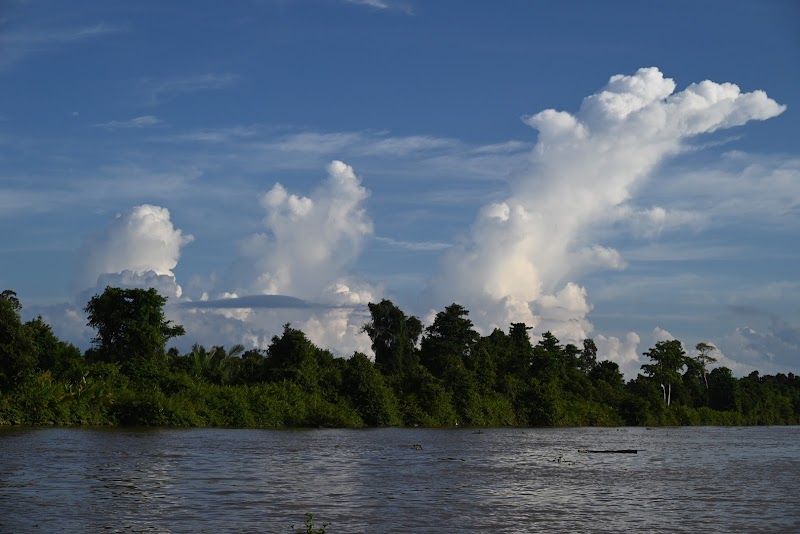
The Lower Kinabatangan-Segama Wetlands Ramsar Site encompasses approximately 78,000 hectares of lowland tropical rainforest, peat swamp forest, mangroves, and extensive floodplains located along the Kinabatangan and Segama rivers in eastern Sabah, Malaysian Borneo. This wetland area was designated as a Ramsar site in 2008 due to its international importance for biodiversity conservation and its role in supporting numerous threatened and endemic species. Geographically, the site covers riverine floodplains, oxbow lakes, and freshwater swamps, creating diverse aquatic and terrestrial habitats. Ecologically, the wetlands serve as critical habitat for key species such as the endangered Bornean orangutan, proboscis monkeys, pygmy elephants, hornbills, and riverine fish species. The area also supports populations of saltwater crocodiles and numerous bat species. Its complex vegetation comprises peat swamp forest, freshwater swamp forest, mangroves, and seasonally inundated grasslands. Historically, the Kinabatangan floodplain has faced pressures from logging, agriculture, and oil palm plantations, but conservation efforts by local authorities and NGOs have helped stabilize large parts of the wetlands. Recreation activities focus primarily on wildlife viewing and guided river safaris, offering visitors the chance to explore the forest and water habitats via boat tours, birdwatching, and photography. Notable landmarks include the oxbow lakes and the nature reserves adjacent to the Kinabatangan River, which provide accessible points for ecotourism. Visitor appeal is strong for those interested in tropical wildlife, freshwater ecosystems, traditional villages, and experiencing one of Southeast Asia’s most important wetland complexes in a relatively pristine state.