Wilderness Landscape & Natural Heritage
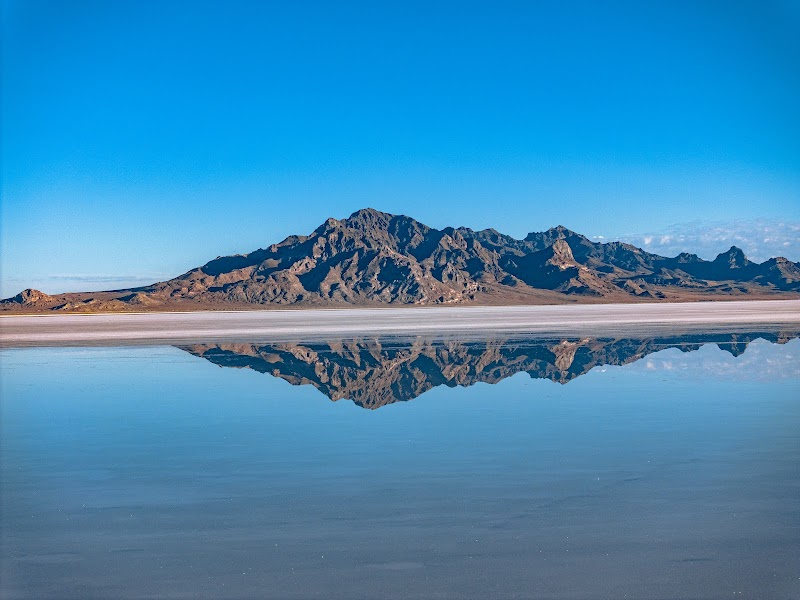
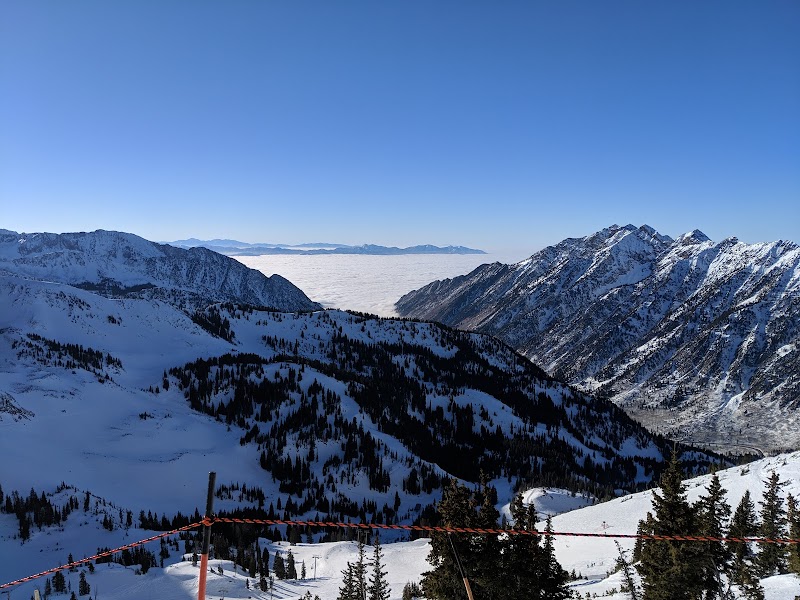
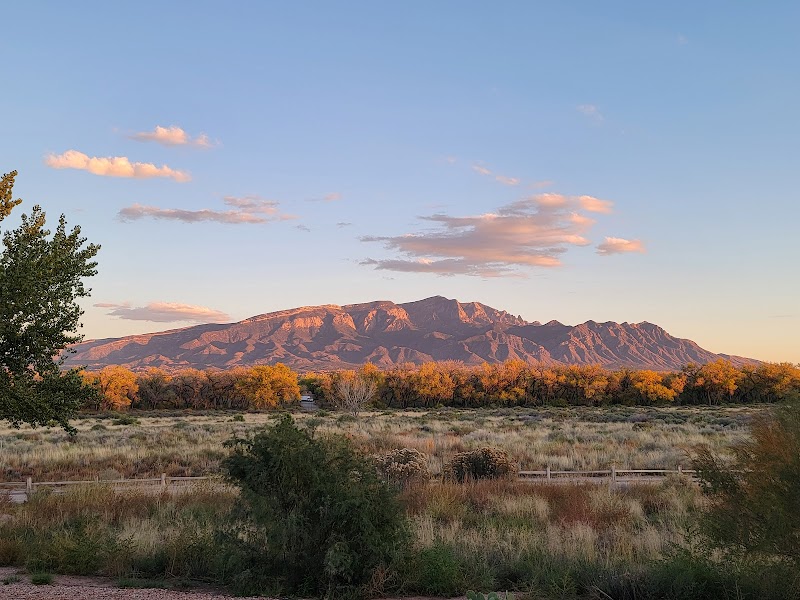
The Oquirrh Mountain foothills form the eastern base of the Oquirrh Range, which runs north-south along the western border of Salt Lake Valley in Utah. These foothills provide a transition zone between the urbanized valley floor and the higher, more rugged mountainous landscapes that rise abruptly to the west. The terrain is characterized by steep slopes, rocky outcrops, and scattered pinyon-juniper woodlands interspersed with sagebrush flats. This area is part of the larger Oquirrh Mountain ecosystem, which supports mule deer, raptors, and various small mammals, with important nesting areas for golden eagles and other raptor species. Historically, the foothills were used for mining, especially for copper, a legacy still apparent near the Bingham Canyon Mine to the south. Today, the Oquirrh Mountain foothills offer close-to-city access to a network of trails used for hiking, mountain biking, trail running, and equestrian activities. Popular trailheads include areas near Cedar Fort Canyon Road and the Daybreak community to the north. Visitors are drawn to the sweeping views overlooking the Salt Lake Valley and the Great Salt Lake to the northwest. The foothills also serve as crucial open space amidst expanding development, making conservation efforts important for protecting the area's natural and recreational values. Seasonal wildflower blooms in spring, fall foliage in October, and winter snow add variety to the landscape, attracting outdoor enthusiasts year-round.