Wilderness Landscape & Natural Heritage
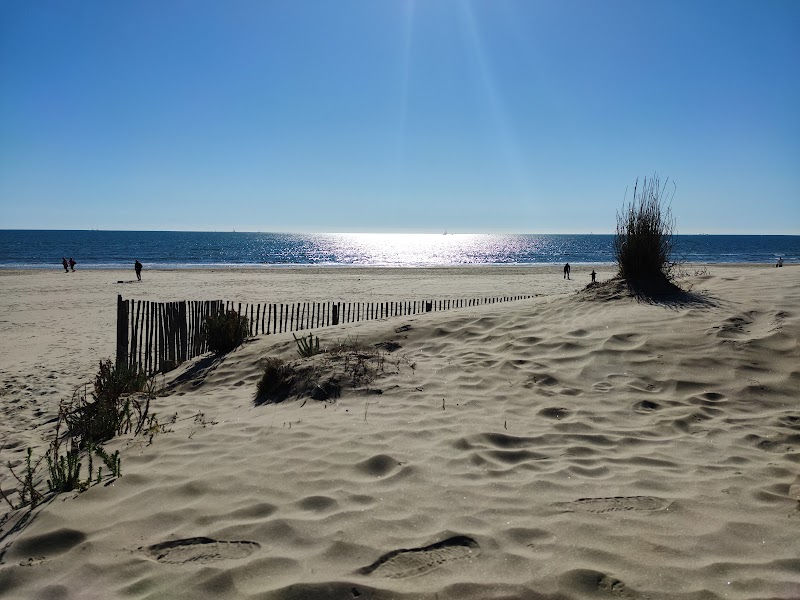
Camargue Regional Nature Park, located in the Rhône River delta in southern France, spans over 85,000 hectares of wetlands, salt marshes, lagoons, and rice paddies. This protected area is one of the largest wetlands in Europe and is internationally recognized for its ecological significance and extraordinary biodiversity. The park’s landscape is a flat, water-dominated ecosystem formed by the confluence of the Rhône’s branches, creating expansive reed beds and saline environments. The region is home to emblematic species such as the greater flamingo, which nests in large colonies along the shallow lagoons, and the Camargue horses, a hardy breed known for their white coat and ties to ancient pastoral traditions. Other notable fauna include black bulls, numerous bird species, and amphibians. Historically, the Camargue has been a center of salt production and rice cultivation, alongside traditional herding and fishing activities that continue to shape the local culture. Outdoor enthusiasts can enjoy birdwatching, hiking along marked trails, horseback riding, cycling, and boat tours across the waterways. Several observation hides provide excellent opportunities to view wildlife without disturbance. Visiting landmarks include the medieval city of Aigues-Mortes on the park’s edge and the lighthouse at Le Grau-du-Roi. The park’s cultural events, such as the annual festivals celebrating regional traditions, add to its appeal. The blend of natural beauty, wildlife richness, and cultural heritage makes Camargue Regional Nature Park a premier destination for ecotourism and outdoor recreation.