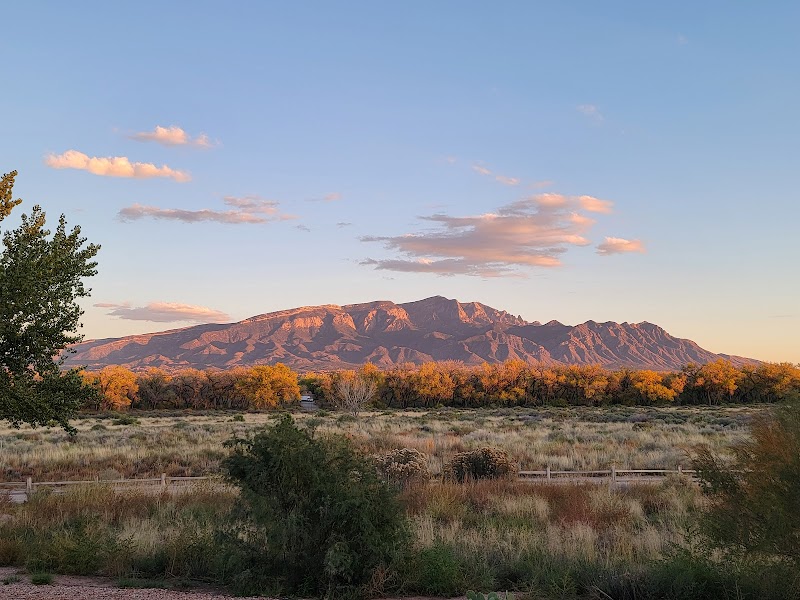
Gydanskiy Nature Reserve (regional) wilderness guide
Regional Nature Reserve · Yamalo-Nenets Autonomous Okrug, Russia

Gydanskiy Nature Reserve (regional)

Gydanskiy Nature Reserve is a protected regional area on the Gydan Peninsula, preserving Arctic tundra ecosystems and supporting important migratory bird populations, offering rugged landscapes and unique wildlife viewing opportunities.

Regional Nature Reserve1,980,000

Designation

Regional Nature Reserve

Total Wilderness Area

1,980,000

Elevation / Terrain

Diverse Wilderness

Field Editorial Guide

About Gydanskiy Nature Reserve (regional)

Gydanskiy Nature Reserve is a protected regional area on the Gydan Peninsula, preserving Arctic tundra ecosystems and supporting important migratory bird populations, offering rugged landscapes and unique wildlife viewing opportunities.

Wilderness Landscape & Natural Heritage

Gydanskiy Nature Reserve is located on the northwestern coast of the Gydan Peninsula in the Yamalo-Nenets Autonomous Okrug of Russia. It is part of one of the largest and most remote Arctic tundra regions, characterized by vast wetlands, tundra plains, and coastal zones along the Kara Sea. The reserve plays a critical role in protecting sensitive Arctic habitats, including spawning grounds for fish and nesting areas for a variety of migratory birds such as geese, swans, and ducks. The landscape is defined by permafrost, tundra vegetation, numerous lakes, and river deltas that support rich biodiversity adapted to the harsh Arctic climate. Human presence within the reserve is minimal, allowing for an undisturbed wildlife environment and traditional indigenous practices in surrounding areas. Recreational opportunities are limited due to the reserve's remote location and harsh conditions but primarily include guided wildlife observation and scientific research. The reserve's coastline is significant for its role in supporting marine mammals and seabirds. Visitors who explore the region can experience unique Arctic flora and fauna, including rare bird species and the seasonal spectacle of migratory waterfowl. The reserve also serves as a valuable site for studying climate change impacts on Arctic ecosystems. Access requires careful planning since infrastructure is sparse, and weather conditions can be extreme. Gydanskiy Nature Reserve stands as an important example of conservation efforts within Russia’s Arctic frontier, offering a glimpse into pristine polar wilderness.

Field Guide · Regional Nature Reserve
Adventure Destinations

Notable Destinations Near Gydanskiy Nature Reserve (regional)

Scenic viewpoints, outdoor landmarks, and notable points of interest within 60 miles.

Key Wilderness Highlights

✦ Extensive Arctic tundra and wetland ecosystems supporting migratory birds✦ Coastal shores along the Kara Sea with important marine mammal habitats✦ Large nesting colonies of geese, swans, and ducks during summer months✦ Remote and largely untouched landscapes offering pristine Arctic wilderness
Wilderness Recreation

Outdoor Adventures in Gydanskiy Nature Reserve (regional)

Explore curated guides for top outdoor sports, trail networks, and wilderness activities.

Park Recreation

Wildlife Viewing

Available in Gydanskiy Nature Reserve (regional)
Park Recreation

Bird Watching

Available in Gydanskiy Nature Reserve (regional)
Park Recreation

Scientific Research

Available in Gydanskiy Nature Reserve (regional)
Park Recreation

Photography

Available in Gydanskiy Nature Reserve (regional)
Park Recreation

Boat Tours (in limited coastal areas)

Available in Gydanskiy Nature Reserve (regional)
The Ranger Station

Visitor Logistics & Essential Planning

Everything you need to know about entrance passes, seasons, visitor centers, road transit, and wildlife safety in Gydanskiy Nature Reserve (regional).

Passes & Fees

Entrance Requirements & Interagency Passes

Special permits required, mainly for scientific and regulated eco-tourism visits

Wilderness Checklist

Carry paper topographic map & compass in remote zones.
Store all food and scented items in approved bear canisters.
Check wildfire / smoke advisories before backcountry departure.
Pack out everything you pack in (Leave No Trace).