Wilderness Landscape & Natural Heritage
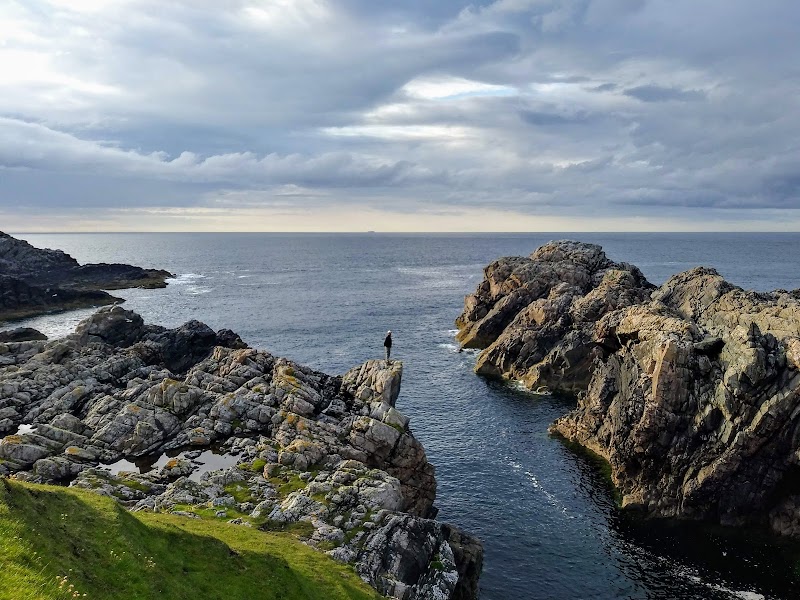
South Ronaldsay SSSI encompasses parts of the largest island in the southern Orkney Islands group, featuring extensive coastal landscapes, cliffs, and intertidal zones. The site is recognized for its unique geological features, notably old red sandstone cliffs and fossil-rich sedimentary exposures that provide valuable insight into the region's geological history. Ecologically, the area supports a range of habitats such as machair grasslands, dunes, saltmarshes, and coastal heath, making it important for both plant biodiversity and breeding seabirds. Notable bird species include auk colonies, herring gulls, and the occasional puffin, attracting avid birdwatchers. Historically, South Ronaldsay has been inhabited since prehistoric times, with several archaeological sites nearby, adding cultural interest to the natural appeal. Visitors come for quiet walking routes along the coast and opportunities to observe seals and other marine wildlife. The site’s marine sections are also important for conservation of subtidal habitats and associated species, including shellfish beds. Due to its ecological significance, visitors are encouraged to respect sensitive sites and follow local guidance to minimize disturbance to wildlife. Outdoor recreation is primarily limited to walking, wildlife observation, and coastal exploration, making it a rewarding destination for those interested in coastal ecosystems and natural history.