Wilderness Landscape & Natural Heritage
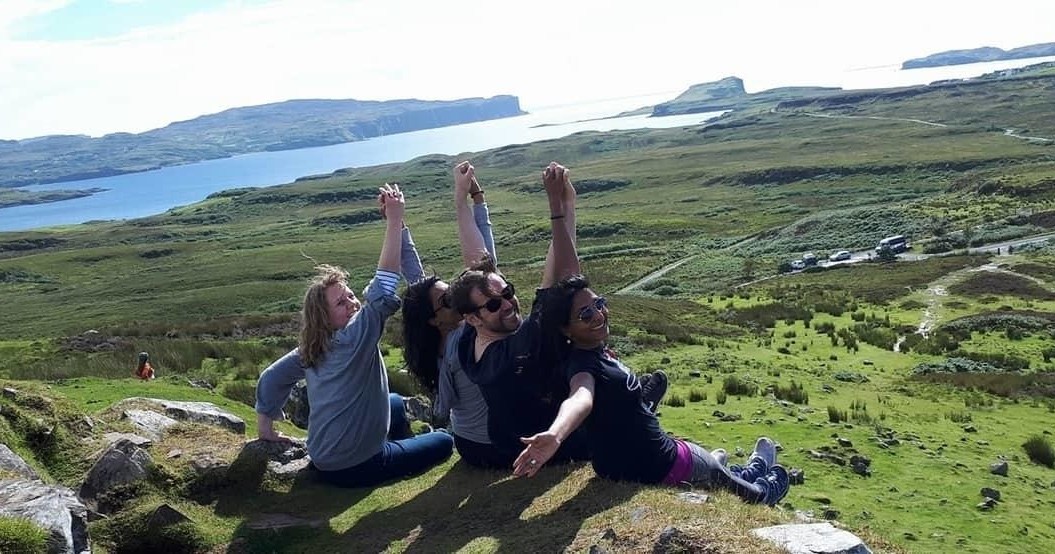
The Lewis Peatlands Special Protection Area covers a large portion of the Isle of Lewis in the Outer Hebrides of Scotland. It comprises extensive peat bogs, wet heaths, and blanket bog landscapes that have developed over thousands of years. The area is one of the largest and most intact peatland complexes in Europe, playing a crucial role in carbon storage and supporting a variety of rare and threatened wildlife. The peatlands regulate water levels and contribute to local biodiversity by providing habitat for species adapted to these wet acidic environments. Notably, it supports internationally important populations of breeding birds such as the Greenland white-fronted goose, golden plover, and dunlin. The area is also recognized for its population of hen harriers, short-eared owls, and merlins, making it a hotspot for bird watchers and conservationists alike. Visitors can experience quiet walking trails and remote landscapes, though access can be limited due to the sensitive nature of the terrain. The peatlands have historical significance, with patterns of land use visible in archaeological remains, and a cultural legacy linked to traditional crofting and grazing practices. The SPA designation, part of the Natura 2000 network, ensures protection of the habitats and species. Outdoor recreation focuses mainly on low-impact birdwatching, landscape photography, and nature study. Infrastructure is minimal, emphasizing the importance of responsible tourism and the conservation of pristine peatland ecosystems.