Wilderness Landscape & Natural Heritage
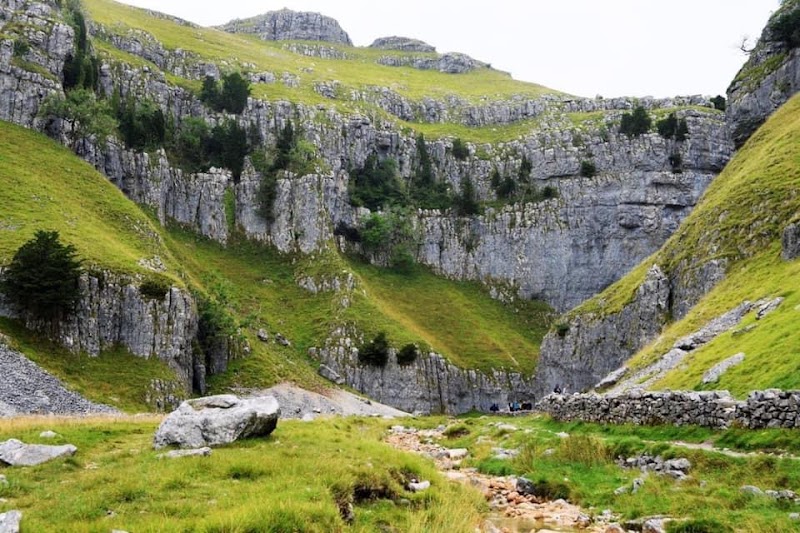
The South Pennine Moors Special Protection Area (SPA) covers approximately 65,000 hectares across parts of West Yorkshire, Greater Manchester, Derbyshire, and Lancashire. This designated conservation zone protects upland heath and blanket bog habitats, which are among the best in England, sustaining important breeding populations of upland birds such as the golden plover, merlin, and hen harrier. The landscape is characterized by expansive moorlands, deep valleys, streams, and scattered ancient woodlands. The SPA includes notable tracts such as the Dark Peak and South Pennines, with key natural landmarks like Blackstone Edge, Stoodley Pike, and Hardcastle Crags nearby. Historically, the area has been shaped by centuries of peat cutting, sheep grazing, and grouse shooting, contributing to its open heathland character. Visitors are drawn to the moors for challenging hill walks, extensive wildlife viewing, and the chance to explore traditional Pennine features such as dry stone walls and heather-clad expanses. The moors support important flora including cloudberry and rare sphagnum mosses. The SPA’s protected status ensures efforts to conserve these habitats amid pressures from intensive land use and climate challenges. While the South Pennine Moors are less crowded than nearby national parks, they reward visitors with vast, quiet landscapes and striking views over surrounding valleys and reservoirs. Birdwatchers commonly visit during breeding seasons to spot raptors and wading birds. The area’s moorland trails range from short walks to multi-day hikes that link nearby towns such as Hebden Bridge and Glossop. Overall, the South Pennine Moors SPA is a significant upland conservation area combining ecological importance with rugged outdoor recreation.