Wilderness Landscape & Natural Heritage
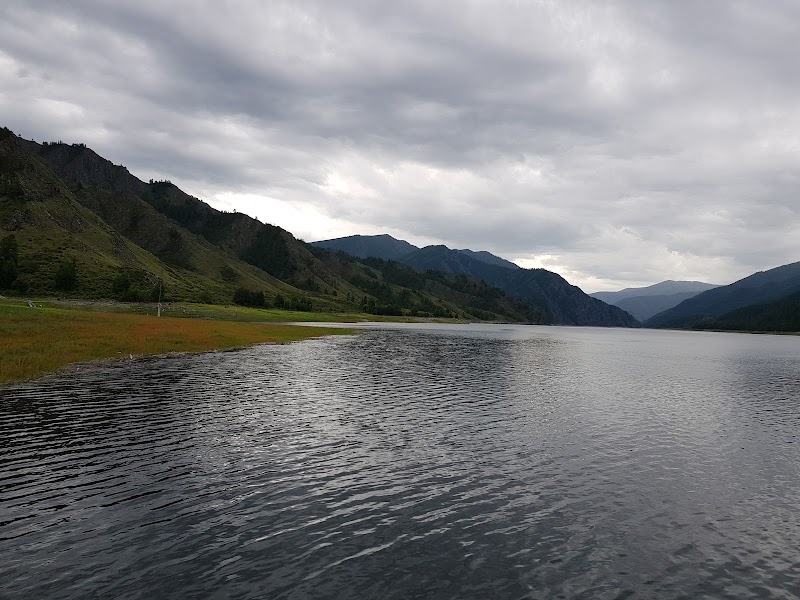
Khakassia State Nature Reserve, located in the Republic of Khakassia in southern Siberia, Russia, encompasses a protected area dedicated to preserving the unique ecosystems of the West Siberian forest-steppe and steppe zones. Established in 1999, the reserve spans a diverse terrain consisting mainly of rolling steppes, forested areas, and river valleys along the Yenisei basin. The reserve's geography includes undulating hills, rocky outcrops, and numerous small lakes and wetlands which support a remarkable variety of flora and fauna. Ecologically, it represents a transition zone with species typical of both forest and steppe biomes, including rare and endangered plants and animals. The region is particularly known for populations of Siberian roe deer, elk, black grouse, and the elusive manul cat. Historically, Khakassia carries immense archaeological significance with numerous petroglyphs and ancient burial mounds found within and surrounding the reserve, offering insights into early nomadic cultures of Siberia. Recreation within the reserve is highly controlled due to its strict protection status, yet guided eco-tours provide opportunities for wildlife observation, birdwatching, and cultural exploration. Visitors can admire the scenic steppe expanses and explore interpretive trails emphasizing the ecological and historical importance of the region. The reserve serves as an important scientific station for studying the area's fragile ecosystems, maintaining biodiversity and preserving natural habitats for future generations. Its remote location and limited infrastructure make it an exclusive destination for those seeking unspoiled wilderness and a deep connection to Siberia's natural and cultural heritage.