Wilderness Landscape & Natural Heritage
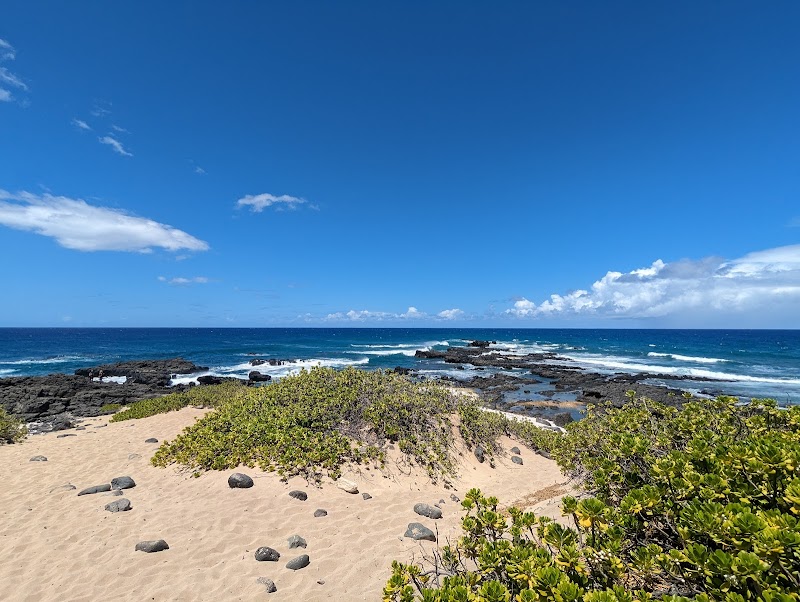
Located at the westernmost tip of Oʻahu, Kaʻena Point State Park is a remote natural area known for its stark ocean cliffs, native coastal vegetation, and important wildlife habitat. The park comprises an uninhabited stretch of land that serves as a critical sanctuary for endangered species like the Hawaiian monk seal and the endangered ʻōpaeʻula (Hawaiian shrimp). The coastline is defined by rugged lava formations, tide pools, and expansive views of the Pacific Ocean, making it a favored destination for hikers, bird watchers, and nature enthusiasts. Visitors typically access Kaʻena Point via two main trailheads: one from the Mokuleia side and the other from Keawaula (Yokohama Bay). These trails provide scenic hiking routes leading to the picturesque Kaʻena Point Natural Area Reserve, a protected ecological zone that restricts human impact to preserve its fragile environment. Kaʻena Point also holds cultural significance stemming from ancient Hawaiian mythology and traditional fishing and gathering practices. Recreational activities here include hiking across flat to moderately challenging terrain, photography of rare coastal landscapes, and the chance to observe native seabirds such as the Laysan albatross and wedge-tailed shearwaters. While camping is not permitted, the park’s seclusion and natural beauty offer a rewarding escape from urban life. Due to its exposed condition, visitors should come prepared with sun protection, water, and sturdy footwear for rocky surfaces. The park supports ongoing conservation efforts to restore native plant life and protect endangered species, making it a vital protected area on Oʻahu’s leeward coast.