Wilderness Landscape & Natural Heritage
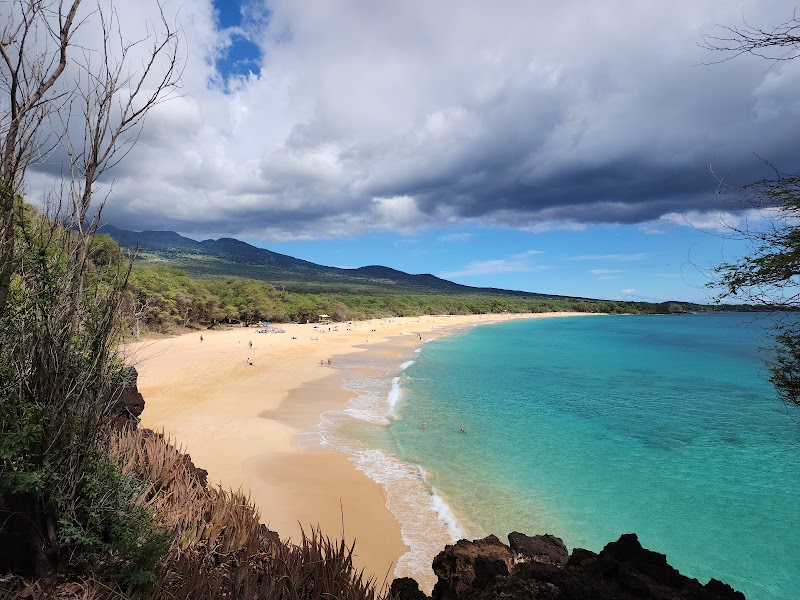
Mākena State Park is located on the southern coast of Maui, Hawaii, and is renowned for its pristine beaches, volcanic rock formations, and critical natural habitats. The park covers approximately 165 acres and includes three main beach areas: Big Beach (Wailea Bay), Little Beach, and Oneʻuli Beach. Big Beach is particularly famous for its wide crescent of golden sand and clear Hawaiian waters, making it a favored spot for sunbathing, bodysurfing, and swimming. Little Beach, separated from Big Beach by a lava outcrop, is well-known for its relaxed atmosphere and weekend drum circles. Oneʻuli Beach features distinctive black sand formed by volcanic activity. These beaches provide opportunities to view native seabirds, marine turtles, and coral reefs teeming with fish. Inland, the park’s rugged lava fields and lowland dry forests support native plant species adapted to the coastal climate. The area holds cultural significance to Native Hawaiians and has historically been a spot for traditional fishing and gathering. Outdoor recreation opportunities include beach activities, hiking short coastal trails, snorkeling in protected coves, and wildlife viewing. Visitors are drawn by the park’s natural beauty, relative seclusion compared to more developed resorts, and varied landscapes. Amenities at the park are basic, with picnic areas and limited facilities, enhancing its appeal for those seeking a more natural experience. The park sits in a warm tropical climate with mild trade winds and is accessible year-round, though ocean conditions can vary seasonally. Mākena State Park provides a striking example of Maui’s coastal ecosystems and a peaceful coastal retreat for visitors.