Wilderness Landscape & Natural Heritage
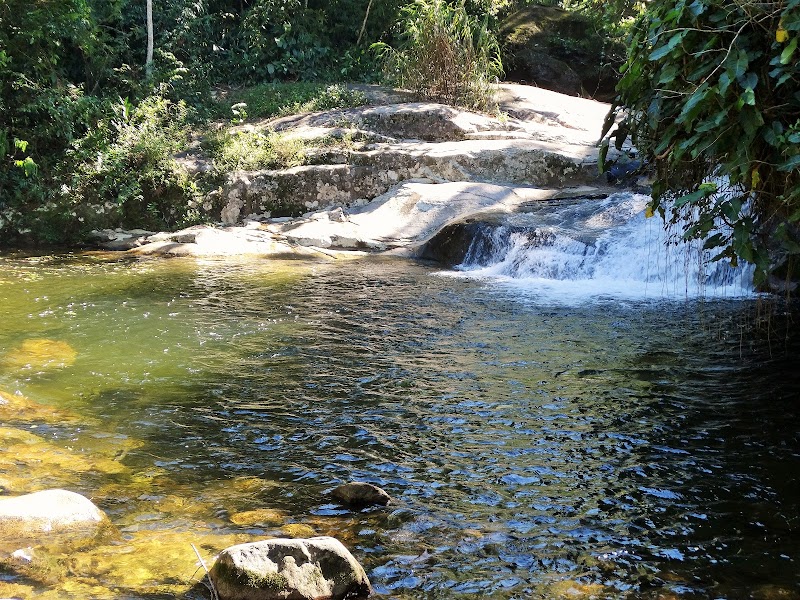
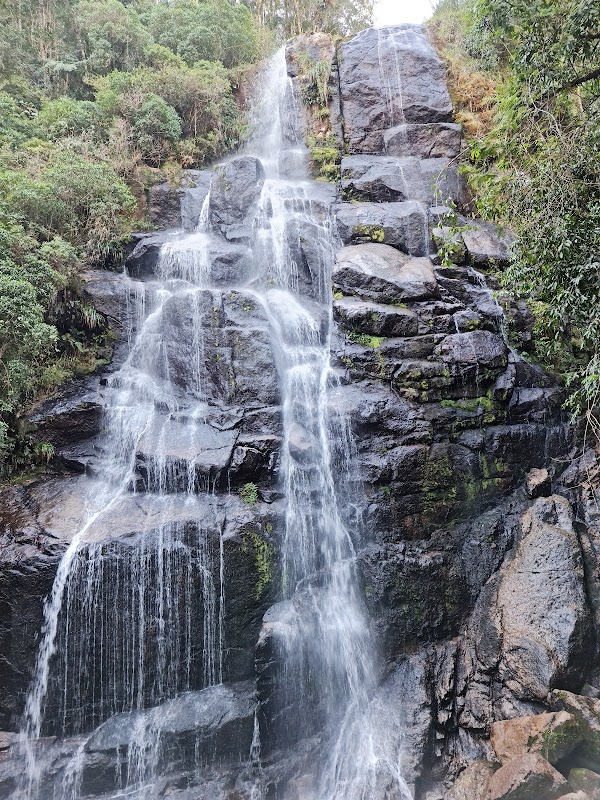
Ilhabela State Park encompasses approximately 85% of the Ilhabela archipelago, a tropical island group located off the northern coast of São Paulo state in Brazil. Established in 1977, the park covers about 27,000 hectares (66,700 acres) of protected Atlantic Forest biome with lush, dense vegetation teeming with biodiversity, including many endemic and endangered species. The park’s geography is defined by mountainous terrain, steep hillsides, and a rugged coastline with numerous secluded beaches, bays, and waterfalls. Popular notable landmarks within the park include the famous Cachoeira do Gato (Cat Waterfall), the Pico de São Sebastião summit (the island's highest point at 1,375 meters/4,511 feet), and several natural pools and caves. Visitors to Ilhabela State Park can enjoy a range of outdoor recreation activities like extensive hiking through well-maintained trail networks, birdwatching to spot rare species such as the endemic Ilhabela woodpecker, diving and snorkeling in crystal-clear ocean waters, and kayaking along calm sheltered bays. The park forms a critical ecological corridor contributing to the conservation of Atlantic Forest remnants amid a rapidly developing coastal region. Its tropical climate, rich flora and fauna, and numerous natural attractions make Ilhabela State Park a treasured destination for ecotourism, adventure hiking, and marine exploration. Visitor facilities include signage, basic trail infrastructure, and access points primarily from the town of Ilhabela on the main island. Responsible tourism and conservation education are emphasized to help preserve the park’s natural beauty and fragile ecosystems.