Wilderness Landscape & Natural Heritage
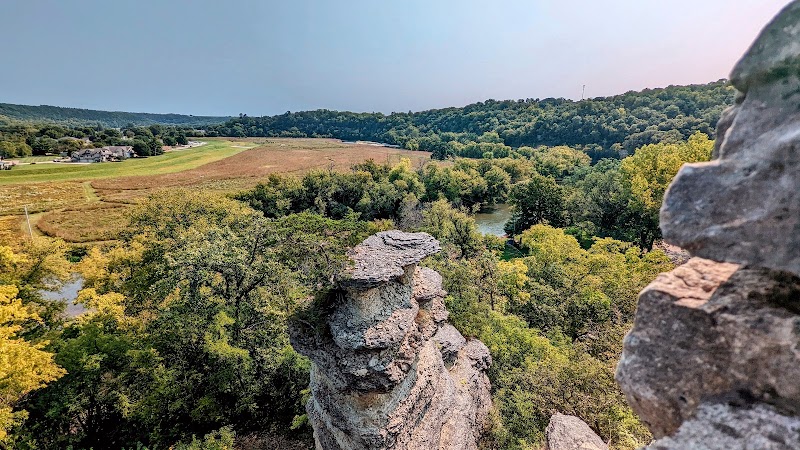
Myre-Big Island State Park, located on the southern shore of Albert Lea Lake in southeastern Minnesota, encompasses a unique blend of upland forest, wetlands, and Big Island, the largest island in a Minnesota state park. The park covers land on the mainland as well as on Big Island, which is accessible by a pedestrian bridge. The landscape includes oak and maple forests, cattail marshes, and mixed hardwoods that support a variety of wildlife, such as white-tailed deer, wild turkeys, and numerous songbird species. Historically, the park area was inhabited and used by Dakota peoples before European settlement. Established in 1947 and significantly expanded in 1959 with the addition of Big Island, the park now serves as a popular recreational destination in Freeborn County. Visitors are drawn to its 9 miles of multi-use trails for hiking, mountain biking, and cross-country skiing in winter. Anglers enjoy the abundant fishing opportunities in Albert Lea Lake, known for walleye, bass, and panfish. The park provides developed campgrounds, picnic areas, and boat access points, making it accessible for families and outdoor enthusiasts. Birdwatching is a favored pastime here due to the confluence of forest and wetland ecosystems, providing habitat for migratory and resident species alike. The blend of water and land, combined with well-maintained recreational facilities, makes Myre-Big Island State Park a year-round destination for nature lovers seeking easy access to diverse Minnesota landscapes.