Wilderness Landscape & Natural Heritage
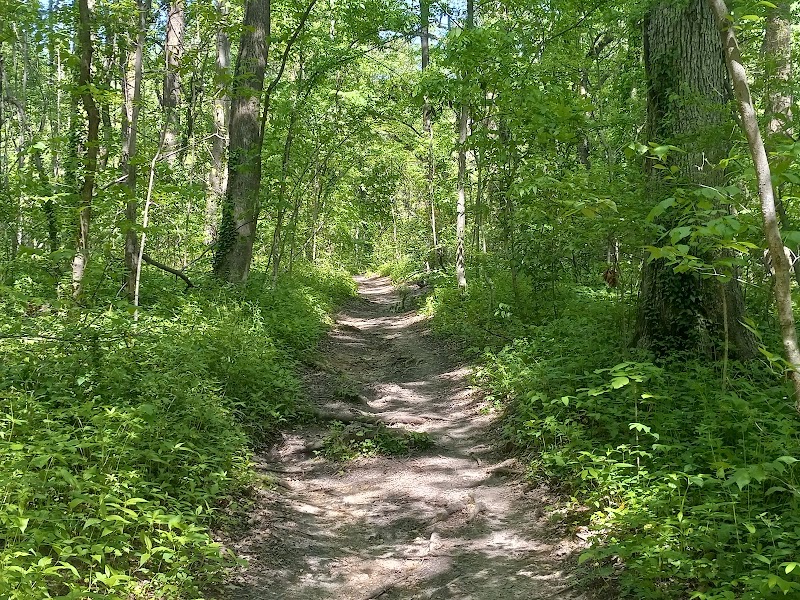
Located in eastern Arkansas on the Mississippi River floodplain, Parkin Archaeological State Park conserves the remains of a major Mississippian culture town dating from about A.D. 1200 to A.D. 1450. The site was a prominent center for the Parkin phase culture, featuring large earthen mounds, plazas, village areas, and ceremonial structures. Its geography includes bottomland hardwood forests and wetlands typical of the Mississippi Delta region, supporting diverse wildlife such as migratory waterfowl and native fish species. Archaeological excavations have revealed complex village plans, burials, and artifacts that provide deep insights into pre-Columbian Native American life, trade, and social organization. Visitors can explore the reconstructed earthworks and a visitor center museum displaying archaeological finds and interpretive exhibits. The park also offers walking trails through the site’s mounds and woodlands, providing educational opportunities and scenic views of the Mississippi River floodplain landscape. It appeals especially to history buffs, archaeologists, educators, and outdoor enthusiasts interested in cultural heritage and nature observation. The park is a distinctive outdoor destination where exploration of ancient human history blends with opportunities for photography, birdwatching, and peaceful walks in a rural natural setting.