Wilderness Landscape & Natural Heritage
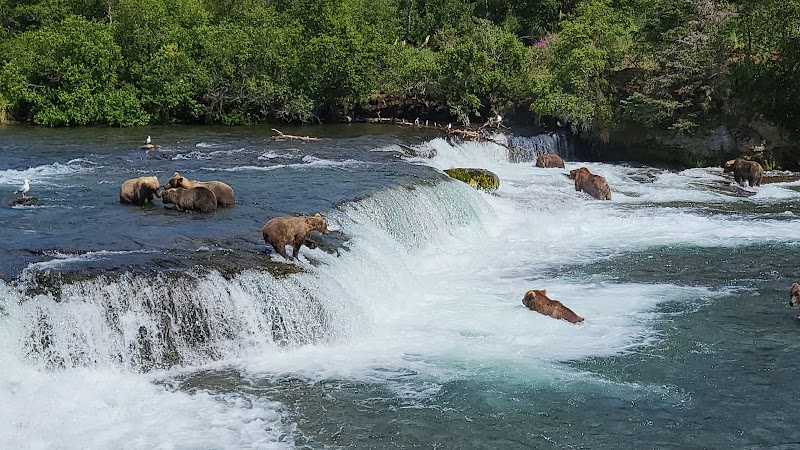
Wood-Tikchik State Park encompasses approximately 1.6 million acres in the Bristol Bay region of southwestern Alaska, making it the largest state park in the United States. This vast and remote wilderness includes two major lake systems—Lake Wood and the Tikchik Lakes—plus extensive river corridors and rugged mountain terrain. Established in 1978 to protect the rich fish and wildlife habitat of the region, the park is a mosaic of boreal forests, alpine tundra, wetlands, and crystal-clear glacial lakes. It serves as critical habitat for brown bears, moose, caribou, wolves, and a wide variety of bird species including bald eagles and trumpeter swans. The park supports thriving populations of salmon and trout, making it a premier destination for fly fishing and subsistence harvests. Visitors often arrive by floatplane or boat due to limited road access, emphasizing the park’s wilderness character. Fishing, paddling, hunting, wildlife viewing, and camping are the primary recreational pursuits here, with visitor experiences ranging from serene lakefront campsites to challenging multi-day backcountry expeditions. The park's remote setting ensures solitude and unspoiled natural beauty, with little human development beyond a handful of public-use cabins and campsites. Historic native use by the Yup’ik people and later subsistence cultures continues today. Wood-Tikchik is celebrated for its spectacular fishing opportunities, including Arctic grayling and salmon, and its rugged, untouched landscapes that appeal to adventurous travelers seeking true Alaskan wilderness.