Wilderness Landscape & Natural Heritage
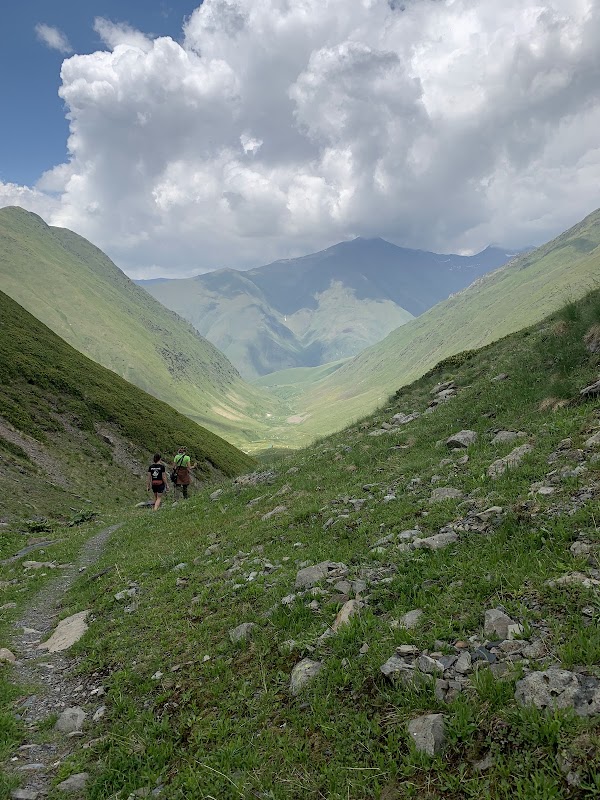
Dagestan Nature Reserve, located in the Republic of Dagestan in southwestern Russia, is a strict nature reserve (zapovednik) established to protect the unique and diverse ecosystems of the eastern Caucasus Mountains and their foothills. Covering mostly mountainous terrain, the reserve spans steep rocky slopes, deep river gorges, and semi-desert landscapes. The site includes parts of the Samur, Sulak, and Ullu-Kuylu river basins, with elevations ranging from approximately 500 meters to more than 3,000 meters, creating a mosaic of habitats from subalpine meadows to arid rocky plateaus. Ecologically, Dagestan Nature Reserve is home to a remarkable variety of flora and fauna, including numerous endemic plant species and endangered wildlife such as the Dagestan tur (a mountain goat-like ungulate), Caucasian chamois, and rare birds like the golden eagle and bearded vulture. The reserve's vegetation is predominantly xerophytic shrubland and grassy meadows with pockets of juniper forests and alpine flora. Unlike many popular national parks, public access and recreational infrastructure are highly limited due to its strict protection status; however, scientific research and educational visits are allowed under permit. Visitors interested in remote mountain wilderness, wildlife observation, and specialized botanical studies are drawn to the reserve, often engaging in guided excursions emphasizing conservation and minimal impact. The reserve also plays a critical role in preserving the geological diversity and hydrological resources of the region, contributing to regional climate regulation and soil stabilization. Historically, the area has been an important corridor for traditional pastoralism, which shaped the cultural and ecological landscape prior to the reserve's establishment in 1987. Dagestan Nature Reserve stands as a vital sanctuary safeguarding the fragile ecosystems of the eastern Caucasus — one of the planet’s biodiversity hotspots.