Welcome to an adventure that beckons the intrepid traveler to the heart of Central Africa—a region where the wild whispers secrets of ancient times and vibrant ecosystems stretch endlessly. The Tri...
The Tri-National Dja-Odzala-Minkébé Landscape is a vast transboundary conservation area in Central Africa, renowned for its dense rainforests and diverse wildlife. It offers unique ecological and cultural experiences, attracting nature enthusiasts and researchers alike.
Wilderness Landscape & Natural Heritage
The Tri-National Dja-Odzala-Minkébé Landscape is located in the heart of Central Africa, straddling the borders of Cameroon, the Republic of the Congo, and Gabon. This expansive area covers a significant portion of the Congo Basin, known for its critical role in global biodiversity and climate regulation. The landscape is characterized by extensive tropical rainforests, which provide habitat for numerous endangered species, including forest elephants, western lowland gorillas, and chimpanzees. The region is also home to indigenous communities whose cultures are intimately tied to the land. Established as a conservation priority, the area supports various ecological research and cross-border cooperation efforts. Visitors are drawn to its unique natural beauty and opportunities to experience one of the world's most important ecological regions. Recreational activities include guided wildlife tours, bird watching, and cultural exchanges with local communities.
Field Guide · Transboundary Conservation Area
Adventure Destinations
Notable Destinations Near Tri-National Dja-Odzala-Minkébé Landscape
Scenic viewpoints, outdoor landmarks, and notable points of interest within 60 miles.
Key Wilderness Highlights
✦ Odzala-Kokoua National Park, known for its pristine rainforests and rich biodiversity.✦ Dja Faunal Reserve, a UNESCO World Heritage Site rich in primate species.✦ Minkébé National Park, a vital habitat for elephants and other wildlife.✦ The Sangha River, offering opportunities for canoeing and wildlife viewing.
Wilderness Visuals & Gallery
Visual Guide to Tri-National Dja-Odzala-Minkébé Landscape
Wilderness Recreation
Outdoor Adventures in Tri-National Dja-Odzala-Minkébé Landscape
Explore curated guides for top outdoor sports, trail networks, and wilderness activities.
Activity Field GuideTri-National Dja-Odzala-Minkébé Landscape
Camping in Tri-National Dja-Odzala-Minkébé Landscape
Triumph of Nature: Exploring the Tri-National Dja-Odzala-Minkébé Landscape
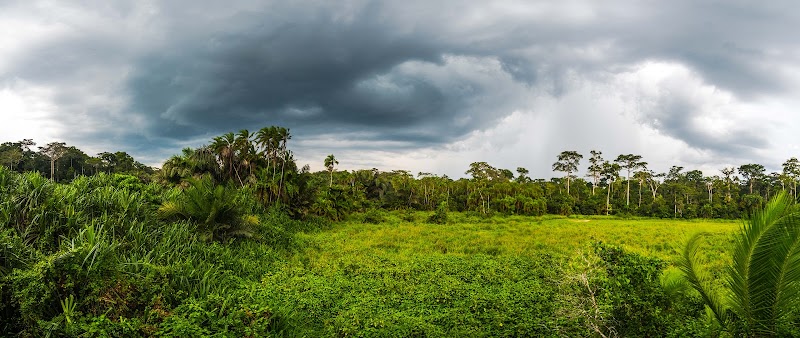
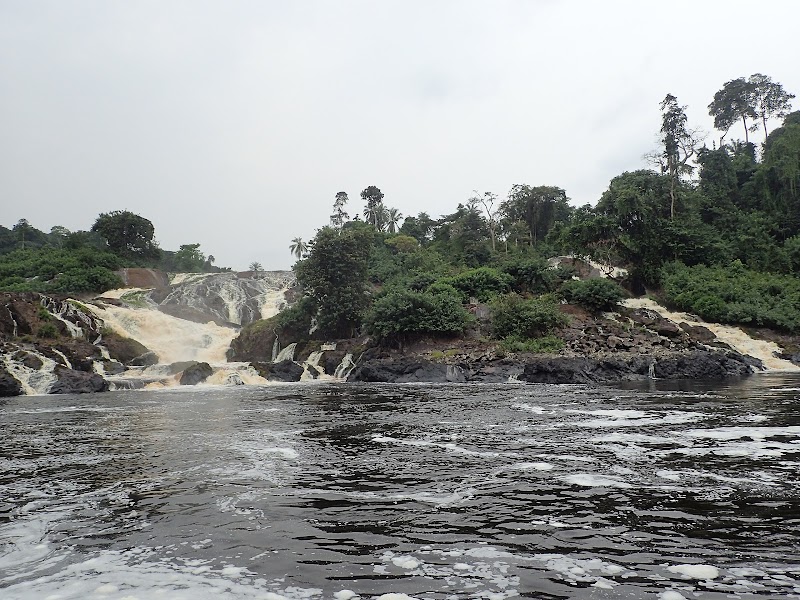
Welcome to an adventure that beckons the intrepid traveler to the heart of Central Africa—a region where the wild whispers secrets of ancient times and vibrant ecosystems stretch endlessly. The Tri-National Dja-Odzala-Minkébé Landscape, a UNESCO World Heritage site, offers a compelling marriage of dense jungles, flowing rivers, and expansive savannas. This landscape is not just a backdrop; it calls you to immerse yourself in its breathtaking beauty and unparalleled biodiversity while offering the practical tools to navigate this natural wonder.
As you embark on this exploration, prepare to be embraced by the warm embrace of Africa’s wild heart. The journey begins in the Dja Faunal Reserve, where towering trees sway above you, forming a verdant canopy that filters golden beams of sunlight. Traverse soft, earthy trails that weave through tangled vines and vibrant underbrush, alive with the sounds of chattering primates and the rustle of unseen creatures. Your senses will dance—each breath filled with the rich scent of damp earth and the echo of distant waterfalls. Keep your eyes keen, for you might catch sight of elusive gorillas or playful elephants, showcasing the raw beauty of this protected haven.
With a foundation of detailed exploration in mind, you’ll need a practical approach to planning your journey. First and foremost, understanding your chosen routes is essential. Trails can range from easy walks suited for family hikes to more challenging paths that demand agility and stamina. Ensure you've thoroughly researched the terrain and select a route that aligns with your experience level.
It is crucial to consider timing. The region experiences two main seasons—wet and dry—each presenting a unique side of the landscape. The dry season, from June to September, is ideal for wildlife viewing, as animals wander closer to water sources. However, visiting during the wet season unveils a lush paradise teeming with wildlife antics and thriving flora, albeit with muddier paths and more challenging conditions.
For an immersive experience, camping is not just a necessity; it’s a rite of passage into the wild. Secure your camping permits in advance, as places can fill quickly, especially during peak seasons. Choose a site that offers proximity to water sources and essential amenities, but also allows you to experience the pulse of the wilderness in solitude. Setting up your camp amidst the symphony of the forest brings forth a new rhythm to life, where the flickering firelight dances on the canvas of night.
Safety must always remain at the forefront of your adventurous spirit. Hydration is paramount, as the tropical climate can be deceivingly exhausting. Carry a water filtration system to ensure you stay refreshed without relying on uncertain sources. Comfortable, sturdy footwear will keep your feet protected and allow you to effortlessly navigate uneven terrain. Additionally, layering your clothing is wise; temperatures can swing dramatically from warm daylight to crisp evenings.
As nature beckons you deeper into its embrace, it is the sheer diversity of wildlife that captivates the heart. Keep binoculars close, for each turn could reveal the majestic sight of a huge silverback walking in a sunbeam or a troop of playful chimps leaping through the trees. The possibilities are endless and each encounter breathes life into your adventure, being both humbling and exhilarating.
Balance your explorations with moments of reflection, finding quiet spots where you can sit and simply listen. The rustling leaves, the call of a distant bird, and the churning of a river poignantly remind you of your place within this vast ecosystem. Document your journey—each experience, lesson, and moment of wonder should be valued as an integral chapter in your story.
The Tri-National Dja-Odzala-Minkébé Landscape is not merely a destination; it’s an invitation to reconnect with nature and to venture beyond the ordinary. Each step you take reverberates in this living tapestry of life, urging you to explore, discover, and protect the world around you. Prepare yourself—this is where adventure meets purpose, and unforgettable memories await those daring enough to seek them.
Other Available Activity Guides in Tri-National Dja-Odzala-Minkébé Landscape:
The Ranger Station
Visitor Logistics & Essential Planning
Everything you need to know about entrance passes, seasons, visitor centers, road transit, and wildlife safety in Tri-National Dja-Odzala-Minkébé Landscape.
Passes & Fees
Entrance Requirements & Interagency Passes
Permits required, obtained from regional offices.
Wilderness Checklist
Carry paper topographic map & compass in remote zones.
Store all food and scented items in approved bear canisters.
Check wildfire / smoke advisories before backcountry departure.
Pack out everything you pack in (Leave No Trace).
Wilderness Stays
Camping & Overnight Stays in Tri-National Dja-Odzala-Minkébé Landscape
Frontcountry developed campgrounds, backcountry wilderness permit guidelines, and starry-night camping advice.
Mboko Camp
Located in Odzala-Kokoua, offering basic amenities and guided tours.
Gateway Towns Near Tri-National Dja-Odzala-Minkébé Landscape
Stay, dine, and gear up in these mountain towns and scenic basecamps surrounding the park.
⌖ 50.23 miles
Gateway Basecamp
Mekambo, Gabon
Mekambo is a remote Gabonese town offering prime access to dense rainforests and the Ogooué River. Ideal for hikers, birders, and paddlers seeking wildlife-rich, off-the-grid adventures in pristine Central African wilderness.
Mekambo offers adventurous travelers a quiet base to explore Gabon’s dense rainforests and wild rivers. Expect hiking, paddling, and rich wildlife encounters in one of Central Africa’s most biodiverse and remote regions.