Wilderness Landscape & Natural Heritage
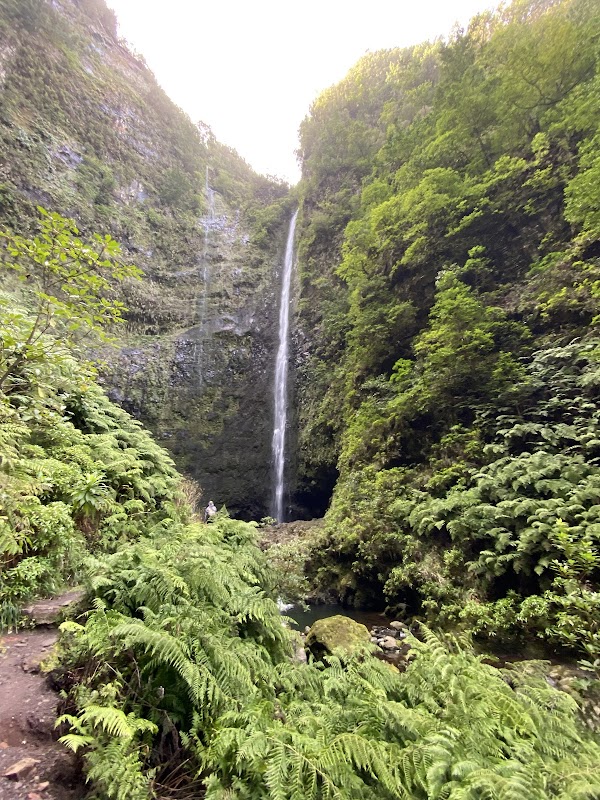
The Laurisilva Forest UNESCO Biosphere Reserve is located on the island of Madeira, Portugal, covering much of the island’s central and northern mountainous regions. This subtropical laurel forest is a living remnant of the extensive laurel forests that covered the Mediterranean basin millions of years ago. Characterized by dense, evergreen vegetation dominated by towering laurel species, the forest thrives in Madeira’s mild, humid climate driven by persistent cloud cover and regular rainfall. The landscape features steep slopes, deep ravines, and numerous streams cascading through moss-covered rocks, creating a rich habitat for a wide variety of endemic plants and animals. Key tree species include Laurus novocanariensis, Ocotea foetens, and Persea indica, among others. The reserve is home to many endemic bird species like the Madeira firecrest and the trocaz pigeon, as well as an array of invertebrates and endemic flora, making it a vital biodiversity hotspot.
The Laurisilva gained UNESCO World Heritage status in 1999, underscoring its ecological significance. Outdoor enthusiasts can explore numerous well-maintained levada trails—historic irrigation channels that snake through the forest—providing access to spectacular viewpoints, waterfalls, and hidden corners of this mystical woodland. Popular hikes include the Levada do Caldeirão Verde and Levada das 25 Fontes, revealing breathtaking scenery and diverse ecosystems. The forest’s ancient trees and humid environment also offer excellent conditions for photographers and nature lovers. Visitors are drawn to the reserve not only for its natural beauty but also for its tranquil ambiance and the opportunity to experience a rare ecosystem relatively untouched by urban development. Conservation efforts focus on preserving this fragile habitat from invasive species, climate change, and human impact, ensuring the forest remains a sanctuary for generations to come.