Wilderness Landscape & Natural Heritage
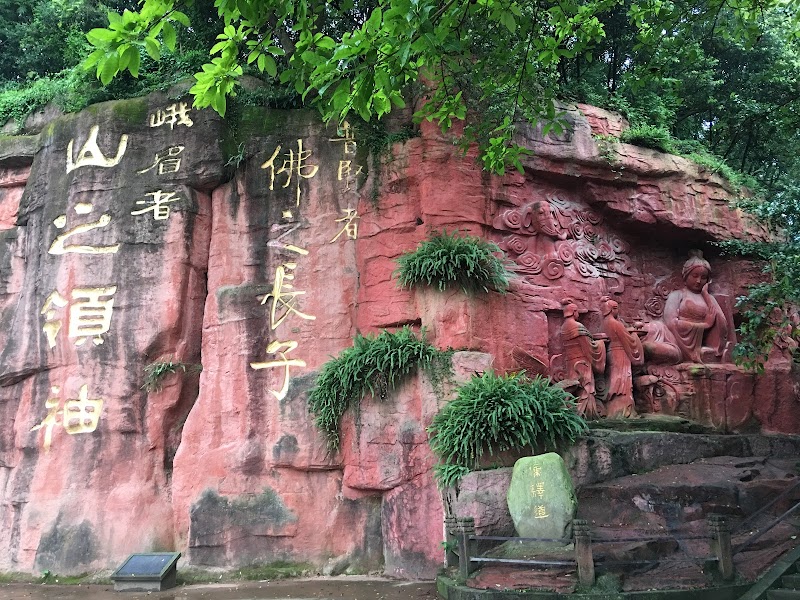
Mount Qingcheng-Dujiangyan UNESCO World Heritage Site, located in Sichuan Province, China, encompasses two distinct but interconnected cultural landscapes: the sacred Taoist mountain of Qingchengshan and the ancient Dujiangyan irrigation system on the Min River. Mount Qingcheng is renowned as one of the birthplaces of Taoism, featuring serene forested peaks, historic Taoist temples, and tranquil hiking paths through verdant hills. Its lush evergreen forest ecosystem shelters diverse plant and bird species, creating a peaceful natural retreat. The Dujiangyan irrigation system, constructed around 256 BCE during the Qin Dynasty, is a pioneering ancient water management marvel that still effectively controls flooding and supplies water to the Chengdu Plain. This ingenious hydraulic project exemplifies sustainable human-environment interaction, with functioning features such as the Fish Mouth Levee and Flying Sand Weir. Outdoor enthusiasts can hike the scenic trails ascending Mount Qingcheng to visit temples such as Tianshi Cave and Shangqing Palace, enjoy panoramic views, and immerse themselves in nature and spiritual history. The site’s harmonious blend of natural beauty and cultural significance draws pilgrims, history buffs, and nature lovers alike. Visitors are also encouraged to explore the surrounding cultural villages and local markets in nearby Dujiangyan City. The site’s accessibility, well-maintained pathways, and varied elevations make it suitable for both casual walkers and more experienced hikers. Mount Qingcheng-Dujiangyan encapsulates the deep philosophical connections between humanity, water, and nature endemic to Chinese culture. Its designation as a UNESCO World Heritage Site attests to its global significance for history, ecology, and outdoor recreation.