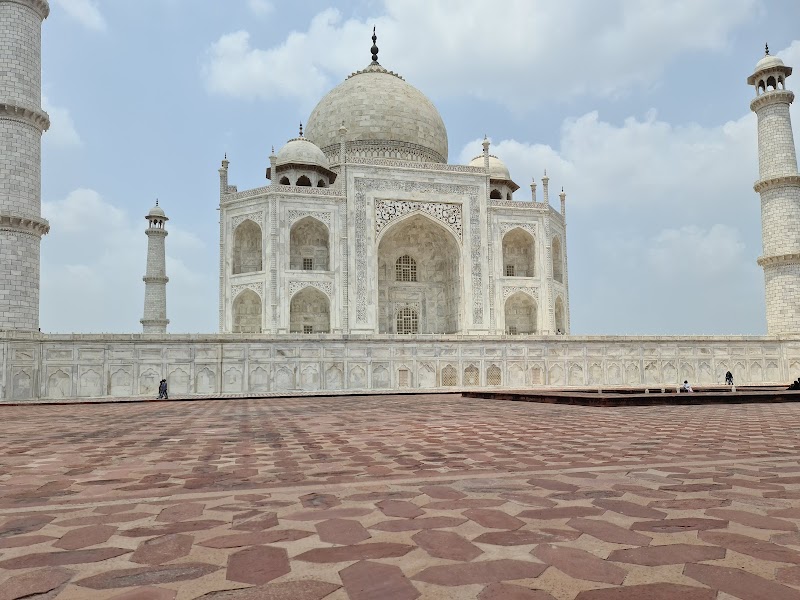
As sunrise casts its golden hues over the banks of the Yamuna River, the Taj Mahal springs to life, revealing itself as one of the most breathtaking structures on the planet. This UNESCO World Heri...
UNESCO World Heritage Site42
1983UNESCO WORLD HERITAGE SITE
DesignationUNESCO World Heritage Site
Total Wilderness Area42
Elevation / TerrainDiverse Wilderness
Field Editorial Guide
About Taj Mahal UNESCO World Heritage Site
The Taj Mahal stands as a monumental tribute to love, showcasing Mughal architecture's zenith and offering a profound visual and cultural experience.
Wilderness Landscape & Natural Heritage
The Taj Mahal, situated in Agra, India, is celebrated as an architectural masterpiece of the Mughal Empire, built entirely of white marble. Commissioned by Emperor Shah Jahan in 1632 in memory of his wife Mumtaz Mahal, this UNESCO World Heritage Site is renowned for its symmetrical beauty and intricate artistry, including semi-precious stone inlays. Visitors can explore the vast gardens flanking the mausoleum, designed in the charbagh style symbolizing paradise. Key features include the grand entrance, reflecting pool, and minarets that add to the site's majestic aura. The Taj Mahal attracts millions of visitors annually, offering both a historical journey and a chance to witness one of the world's most significant architectural achievements.
Adventure Destinations
Notable Destinations Near Taj Mahal UNESCO World Heritage Site
Scenic viewpoints, outdoor landmarks, and notable points of interest within 60 miles.
Key Wilderness Highlights
✦ The central white marble dome and four minarets.✦ Beautiful Persian and Islamic calligraphy adorning the walls.✦ Exquisite gardens designed in the charbagh style.✦ The expressive architecture and reflection in the central pool.
Wilderness Visuals & Gallery
Visual Guide to Taj Mahal UNESCO World Heritage Site
Wilderness Recreation
Outdoor Adventures in Taj Mahal UNESCO World Heritage Site
Explore curated guides for top outdoor sports, trail networks, and wilderness activities.
Activity Field GuideTaj Mahal UNESCO World Heritage Site
Photography in Taj Mahal UNESCO World Heritage Site
Capturing the Majesty of the Taj Mahal: A Photographer's Guide to an Iconic UNESCO World Heritage Site
As sunrise casts its golden hues over the banks of the Yamuna River, the Taj Mahal springs to life, revealing itself as one of the most breathtaking structures on the planet. This UNESCO World Heritage Site, located in Agra, Uttar Pradesh, offers photographers an unparalleled canvas where history, romance, and architecture collide. Envision yourself standing before this luminous marble masterpiece, its facade shimmering like a jewel, beckoning you to explore its intricate details while preparing to capture its essence through your lens.
The best approach for those seeking to photograph the Taj Mahal begins well before the crowds arrive. Planning your visit during the early hours means you can bask in the soft, diffused light that accentuates the Taj's delicate carvings and reflects beautifully off the water features surrounding it. Arrive at the gates well before opening time to secure a prime spot as the world awakens around you.
While the grandeur of the Taj Mahal can easily steal the show, the surrounding gardens provide excellent framing opportunities. The meticulously designed Mughal gardens, filled with vibrant flowers and clear waterways, allow photographers to play with compositions, foreground elements, and lines leading to the monument. Capture the monumental reflection of the Taj in the serene pool, which acts as a mirror to the exquisite structure—this perspective elevates your images beyond mere documentation to true artistry.
As you navigate through the vast grounds, take a moment to appreciate the intricate details that define the Taj. The floral patterns and calligraphy, crafted from semi-precious stones, are often overlooked at first glance but offer a wealth of storytelling through your photographs. Use a macro lens to highlight these exquisite details, showcasing the craftsmanship that reveals the Taj’s rich history.
While the primary structure should be your main focus, don’t forget to explore the various angles and viewpoints that the site offers. The nearby mosque, with its striking red sandstone and beautiful arches, provides a striking contrast to the white marble of the Taj. Capture frames that juxtapose these two architectural styles, adding depth and context to your portfolio. The surrounding landscape, with its lush greenery and historical significance, serves as a natural backdrop that enhances the stories told through your images.
Timing your visit is crucial, particularly for those looking to avoid heavily populated areas. Opt for a weekday visit, as weekends can see an influx of tourists. As the sun moves across the sky, the changing light creates dynamic shadows, altering the appearance of the Taj. Golden hour, just before sunset and shortly after sunrise, paints the monument in hues that breathe life into your photographs, transforming the iconic architecture into a living entity.
Photographers should also consider the practical elements of their shoot. Wear comfortable shoes suitable for walking the expansive grounds, allowing you to move freely and adapt to rapidly changing lighting conditions. A sturdy tripod is essential for stabilizing low-light shots, particularly during the twilight hours when the Taj Mahal emanates a soft glow. Additionally, keep hydrated—temperatures in Agra can be surprisingly high even during the cooler months, and you’ll want to remain energized and focused throughout your exploration.
As your day wraps up and you review your captures, reflect on the intense emotional connection that the Taj Mahal instills—its tale of love and loss resonates throughout time. Each snap of your shutter captures not just the structure itself but the ethereal energy that surrounds it. This journey into the heart of one of the world’s most renowned landmarks isn’t merely about photography; it’s about immersing yourself in a profound history that continues to attract souls from every corner of the globe.
With your lens as your guide, let the Taj Mahal unfold stories that await to be told, enriching your experience with every click and sweeping you into an adventure that transcends time. In returning home, you’ll carry with you not just photographs, but memories etched in both heart and mind—tangible reminders of an enchanting encounter with one of humanity’s greatest architectural achievements.
Other Available Activity Guides in Taj Mahal UNESCO World Heritage Site:
The Ranger Station
Visitor Logistics & Essential Planning
Everything you need to know about entrance passes, seasons, visitor centers, road transit, and wildlife safety in Taj Mahal UNESCO World Heritage Site.
Passes & Fees
Entrance Requirements & Interagency Passes
Tickets can be booked online or purchased at the entrance, with different pricing for foreign and local tourists.
Wilderness Checklist
Carry paper topographic map & compass in remote zones.
Store all food and scented items in approved bear canisters.
Check wildfire / smoke advisories before backcountry departure.
Pack out everything you pack in (Leave No Trace).
Adventure Basecamps
Gateway Towns Near Taj Mahal UNESCO World Heritage Site
Stay, dine, and gear up in these mountain towns and scenic basecamps surrounding the park.
⌖ 2.05 miles
Gateway Basecamp
Agra, Uttar Pradesh
Agra, home to the iconic Taj Mahal, blends history and adventure. With activities like ballooning, cycling, and nature walks, discover this city beyond its famous landmarks.