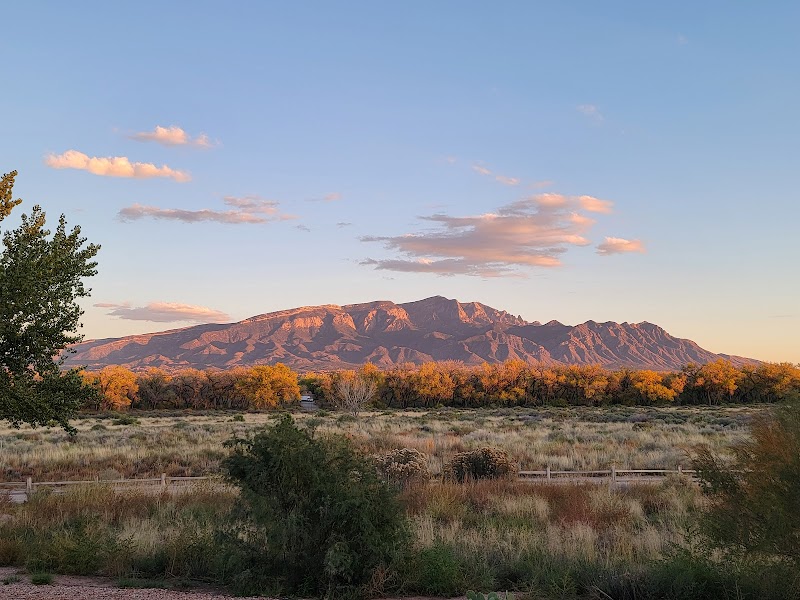
Wilderness Landscape & Natural Heritage
Uvs Lake Basin UNESCO World Heritage Site spans parts of southern Siberia in the Tuva Republic of Russia and northern Mongolia, covering an area of over 8,200 square kilometers. Centered around Uvs Lake, a large saline lake and one of the largest inland bodies of water in Central Asia, the basin includes diverse landscapes such as deserts, steppes, alpine tundra, and taiga forests. The basin is characterized by a rich mosaic of ecosystems supporting rare and endemic species including snow leopards, argali sheep, and numerous migratory birds. The geology of the basin reflects both glacial and desert processes, with wide valleys, sand dunes, and snow-capped mountains. This site is culturally significant due to its long history of nomadic herding by Turkic and Mongolian peoples, evidenced by archaeological remains such as burial mounds and petroglyphs. Outdoor recreation here is remote and adventurous, attracting those interested in hiking, wildlife observation, horseback riding, and cultural tours. Access is limited and often requires guides due to the site's rugged terrain and nomadic land use. Notable landmarks include the saline Uvs Lake itself, the Tsagaan Shuvuut petroglyph site, and the Tuvan steppe meadows. Visitors value the basin for its extraordinary biodiversity, expansive vistas, and authentic encounters with traditional pastoralism. Its status as a UNESCO World Heritage Site underscores its global ecological and cultural importance.