Wilderness Landscape & Natural Heritage
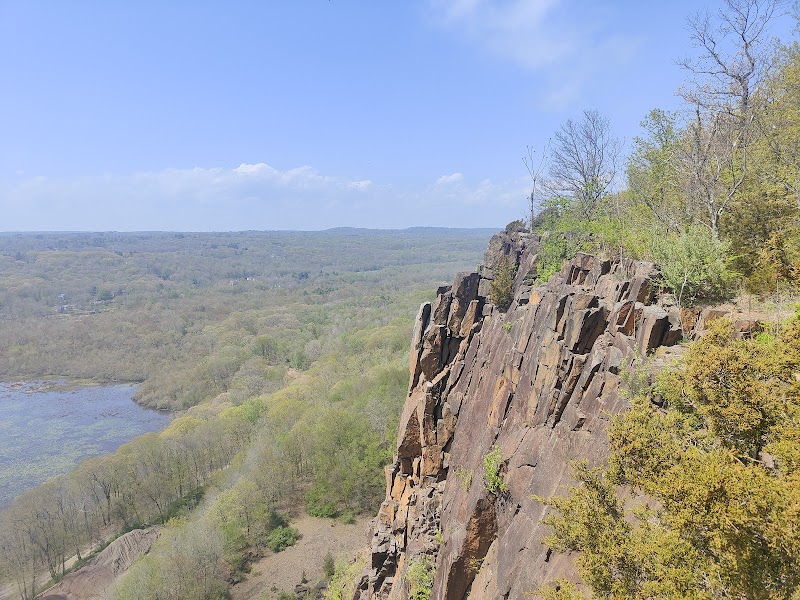
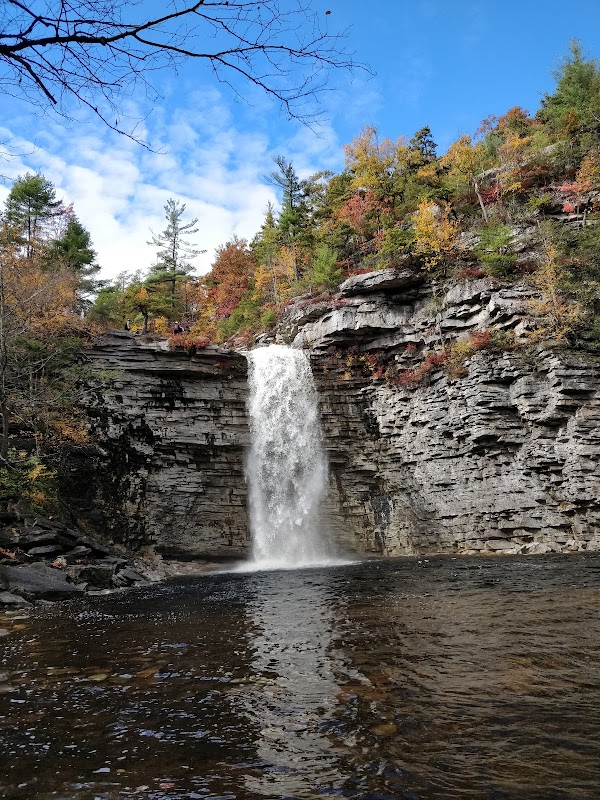
The Quinnipiac River Watershed spans roughly 171 square miles covering parts of New Haven, Hartford, and Middlesex counties in Connecticut. The watershed drains into the Long Island Sound, with the Quinnipiac River serving as its primary watercourse stretching about 45 miles from the Hanging Hills near Meriden to New Haven Harbor. The landscape within the watershed includes forested uplands, wetlands, meadows, and tidal estuaries, supporting a rich diversity of plants and wildlife including migratory birds, fish species, and amphibians. Human influence dates back to indigenous peoples, notably the Quinnipiac tribe, who lived along the riverbanks long before European settlement. Today, conservation and restoration efforts aim to improve water quality, protect habitats, and sustain outdoor recreation. Key recreation opportunities include paddling on the calm lower river and associated wetlands, hiking in adjacent reserves such as the Habitat Wildlife Management Areas and local municipal parks, and angling for species like bass and trout in tributary streams. Notable landmarks encompass the historic New Haven Harbor, the Quinnipiac University campus viewing areas, and several scenic river crossings along CT Route 10 and the Farmington Canal Heritage Trail. The watershed serves as an accessible green space for urban and suburban residents, offering both environmental education and a soothing natural retreat close to the city. Protection initiatives are coordinated by groups such as the South Central Connecticut Regional Water Authority and conservation nonprofit organizations dedicated to watershed stewardship and habitat connectivity.