Wilderness Landscape & Natural Heritage
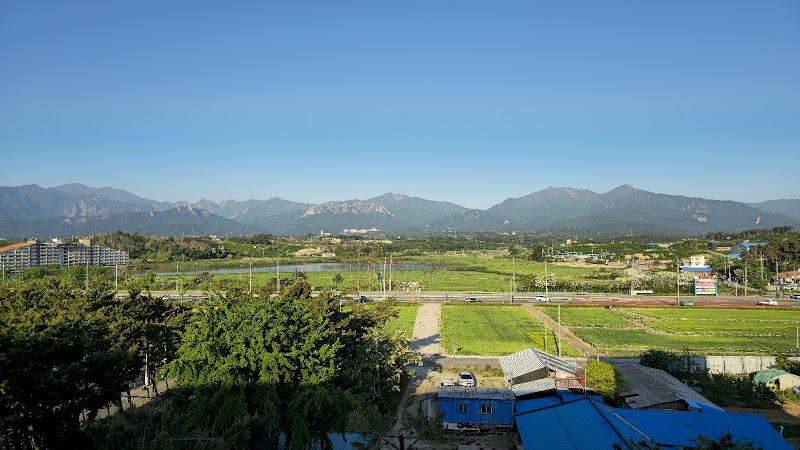
Hwajinpo Wetland Reserve, located in Gangwon-do province near the border of North Korea, is a protected coastal wetland ecosystem celebrated for its ecological richness and scenic beauty. The reserve encompasses tidal mudflats, salt marshes, freshwater wetlands, and adjoining pine forests, creating a diverse mosaic of habitats. These environments support a wide variety of species, particularly migratory and resident waterfowl, making Hwajinpo an important site for bird conservation. It serves as a resting and feeding ground for globally significant birds such as the endangered White-naped Crane and the Black-faced Spoonbill during their seasonal migrations.
The wetland also plays an essential role in maintaining water quality, protecting shorelines from erosion, and supporting local fisheries. Historically, Hwajinpo is known for its picturesque lake adjoining the East Sea (Sea of Japan), which has inspired many artists and poets in Korean culture. Visitors come to enjoy birdwatching, peaceful nature walks along boardwalks and trails, and seasonal photography, particularly in early spring and autumn when bird activity peaks. While infrastructure is modest, the area’s quiet charm and abundant wildlife attract ecotourists and naturalists.
Nearby landmarks include Hwajinpo Beach, a relatively undisturbed coastline offering excellent views of the sea and sunsets. The reserve's proximity to the Demilitarized Zone (DMZ) adds a layer of historical context, with limited but controlled access contributing to the preservation of its ecological integrity. Hwajinpo Wetland Reserve remains a critical natural refuge in the rapidly developing region of northeastern South Korea.