Wilderness Landscape & Natural Heritage
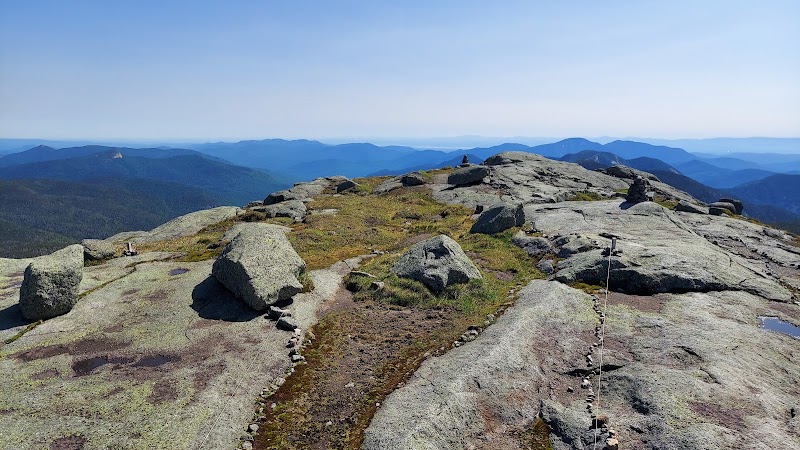
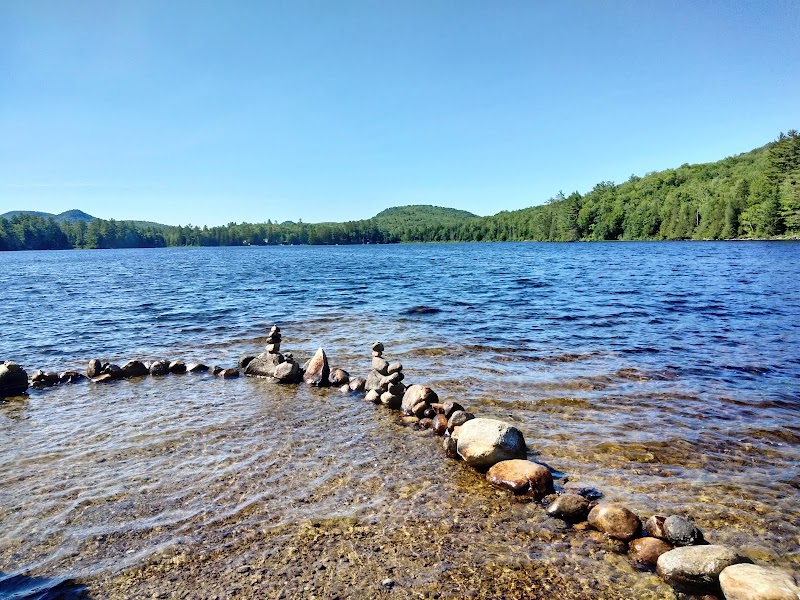
The Winooski River Corridor stretches approximately 90 miles across northern Vermont, flowing from the Green Mountains through several communities before emptying into Lake Champlain. This river corridor protects the natural, cultural, and recreational values of the river and its adjoining lands. The watershed encompasses forested headwaters, wetlands, and agricultural landscapes providing critical habitat for numerous wildlife species, including migratory fish like brook trout and land mammals like beavers and otters. The corridor has a rich cultural history, with evidence of Native American settlement and later European colonial development, including old mill sites and covered bridges. Outdoor recreation is a popular draw, with activities such as kayaking and canoeing on the moderately flowing river, fishing in clean waters, and hiking or biking along connected greenways and rail-trails. Notable landmarks along the corridor include the historic Winooski Covered Bridge and scenic views at the river's confluences with tributaries. The corridor's landscapes range from gentle valley farmland to rocky upstream environments that are both ecologically significant and visually appealing. Protected through a combination of state, local, and conservation easements, the Winooski River Corridor remains a regionally important natural asset that supports both wildlife and outdoor enthusiasts. Its proximity to Burlington and other Vermont communities enhances its importance as a recreational and conservation area, drawing visitors year-round to enjoy its waters and green spaces.