Wilderness Landscape & Natural Heritage
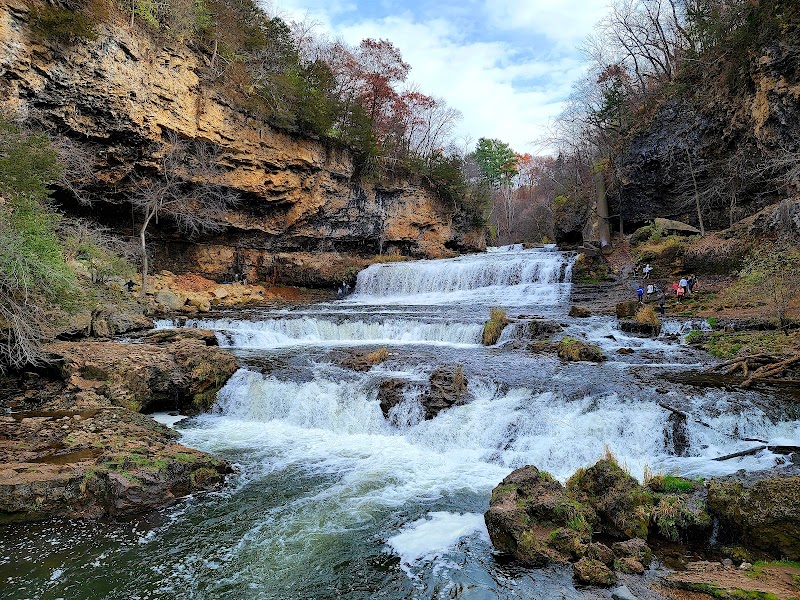
The Chippewa River flows approximately 183 miles through west-central Wisconsin before joining the Mississippi River near Wabasha, Minnesota. Originating in the northern part of the state near Price County, the river traverses diverse landscapes including forests, wetlands, and agricultural lands. The river corridor is known for its ecological significance, supporting habitats for various fish species such as walleye, northern pike, and smallmouth bass, as well as a wide array of bird species including bald eagles and waterfowl. Historically, the river played an important role in the logging industry during the 19th and early 20th centuries, with numerous log drives shaping the region’s development. Today, the Chippewa River is popular for outdoor enthusiasts pursuing activities such as canoeing, kayaking, fishing, and hiking along its banks. Portions of the river are designated under the National Wild and Scenic Rivers System, helping preserve its largely free-flowing condition and protecting riparian ecosystems. The landscape along the river includes recreational areas with access points, state parks, and nature preserves, making it a versatile destination for day trips and extended outdoor adventures. Visitors are often drawn to the balance of natural beauty, birdwatching opportunities, and the chance to explore historical sites connected to Wisconsin’s river heritage.