Wilderness Landscape & Natural Heritage
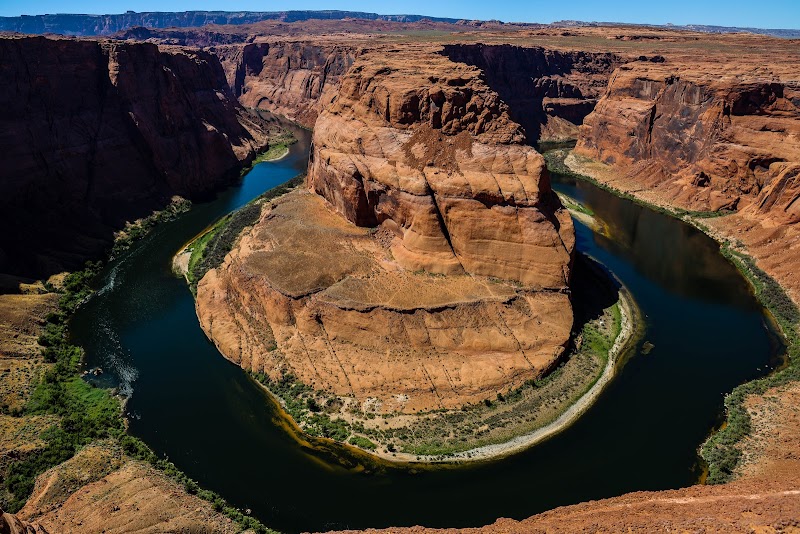
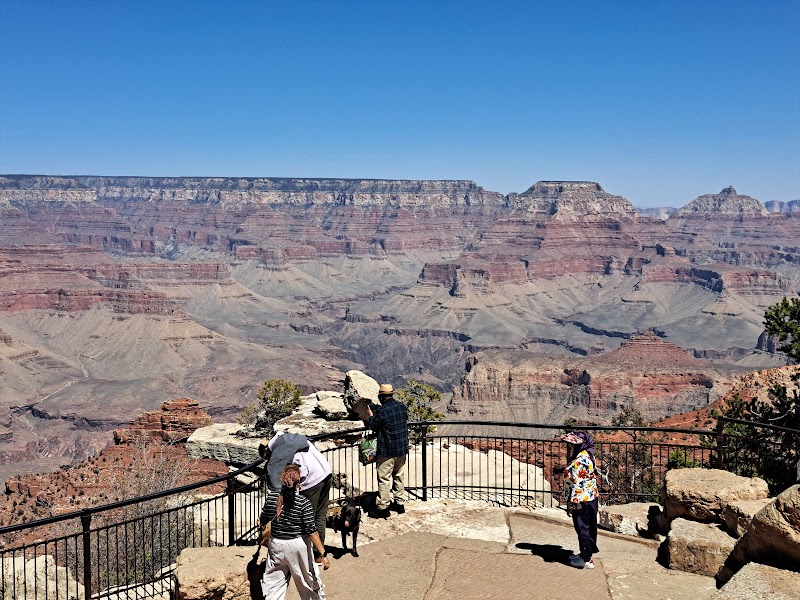
The Colorado River Corridor stretches over 1,450 miles from the Rocky Mountains of Colorado to the Gulf of California in Mexico, traversing seven U.S. states and multiple protected areas. This river is a crucial source of water, recreation, and natural beauty in the arid southwestern United States. Geographically, the corridor features deep canyons, arid deserts, lush riparian zones, and iconic rock formations, including parts of the Grand Canyon, Glen Canyon, and Black Canyon. Ecologically, the Colorado River supports a variety of habitats ranging from alpine environments at its headwaters to desert riparian corridors downstream, where species like the endangered humpback chub and southwestern willow flycatcher are found. Historically, the river has been essential to Native American cultures for thousands of years and later served as a lifeline for explorers, miners, and settlers. Recreation on the corridor includes extensive whitewater rafting and kayaking opportunities, particularly in Canyonlands, Glen Canyon, and the Grand Canyon. Anglers can fish for native and introduced species like trout, smallmouth bass, and catfish. Numerous hiking and mountain biking trails are accessible near the river's banks offering scenic overlooks and wildlife viewing. Notable landmarks along the corridor include Horseshoe Bend, Lake Powell, and the dramatic river-carved landscapes of the Grand Canyon National Park. Visitor appeal lies in the corridor’s mix of adventure activities, spectacular scenery, and cultural history, drawing millions annually. The corridor also includes designated Wild and Scenic River segments protecting its free-flowing sections and preserving natural values amid ongoing water resource challenges.