Wilderness Landscape & Natural Heritage
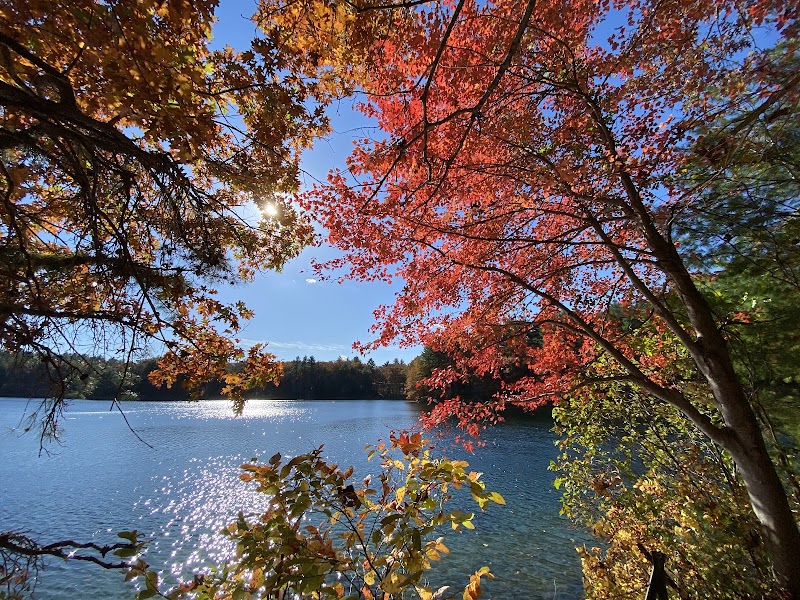
The Nashua River Basin covers over 562 square miles across north-central Massachusetts, encompassing the Nashua River and its tributaries as it flows northward into the Merrimack River. This basin is a critical hydrological system supporting numerous freshwater ecosystems that harbor diverse plant and animal species. Historically impacted by industrial pollution, the Nashua River was the focus of one of the earliest and most successful river cleanup efforts in the United States during the 1960s and 70s, which has since revitalized its water quality and surrounding natural habitats. The basin includes protected lands such as state forest properties and river corridor conservation areas, many of which provide access for fishing, paddling, birdwatching, and hiking. Key landmarks in the basin include scenic riverfront parks in towns like Lancaster and Fitchburg, the Oxbow National Wildlife Refuge, and sections of the 188-mile Nashua River Rail Trail. Visitors can explore riparian woodlands, vernal pools, and wetlands that draw numerous migratory birds and native fish species. Seasonal activities range from spring fishing and summer canoeing to fall foliage viewing. The Nashua River Basin appeals to outdoor enthusiasts interested in combining recreation with environmental history and conservation. Its proximity to Boston and Worcester makes it a popular destination for day trips and extended excursions into Massachusetts' natural and cultural past.