Wilderness Landscape & Natural Heritage
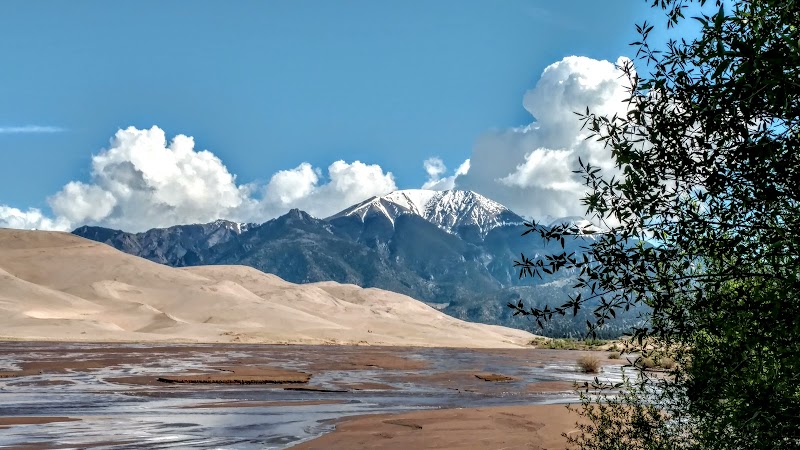
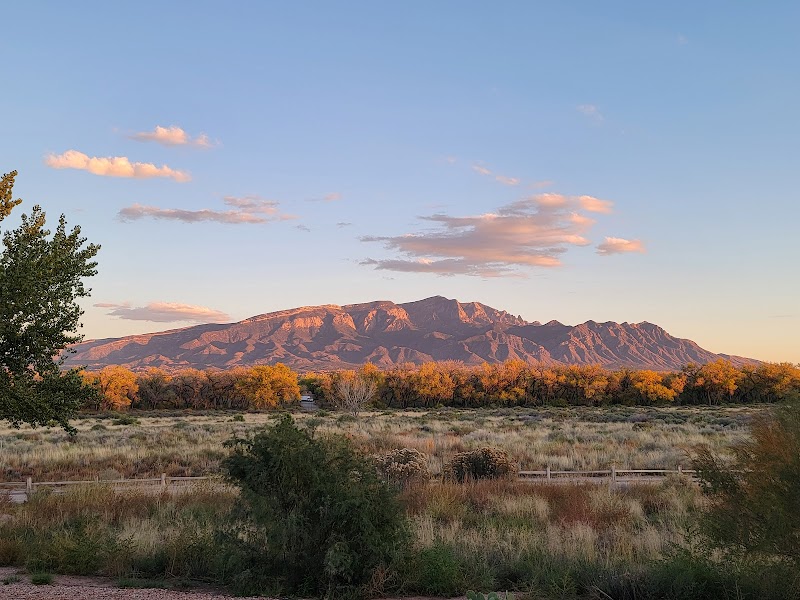
The Rio Hondo River Corridor extends through the northern Sangre de Cristo Mountains near the town of Taos, New Mexico. This corridor features the Rio Hondo, a tributary of the Rio Grande, flowing through steep, forested canyons and wide river valleys. Elevations vary from approximately 7,000 to over 9,500 feet, providing a range of montane and subalpine habitats. The corridor supports diverse plant communities including ponderosa pine, Douglas fir, spruce, and aspen, along with riparian vegetation that sustains fish and wildlife species such as trout, mule deer, black bear, and numerous bird species. Historically, the Rio Hondo region was important for Native American inhabitants and later Spanish settlers who farmed and grazed the river valley. The corridor is part of the Rio Grande National Forest, which enables recreational access while conserving natural resources. Visitors come to the Rio Hondo Corridor for fishing its well-regarded trout waters, hiking its trails along the river and through nearby wilderness areas, and enjoying quiet camping spots among towering pines. Key landmarks include the scenic Wheeler Peak Wilderness nearby and historical trout fishing cabins. The corridor’s relatively unspoiled character and accessibility make it a favored destination for outdoor enthusiasts seeking a combination of rugged mountain landscapes and tranquil river environments.