Wilderness Landscape & Natural Heritage
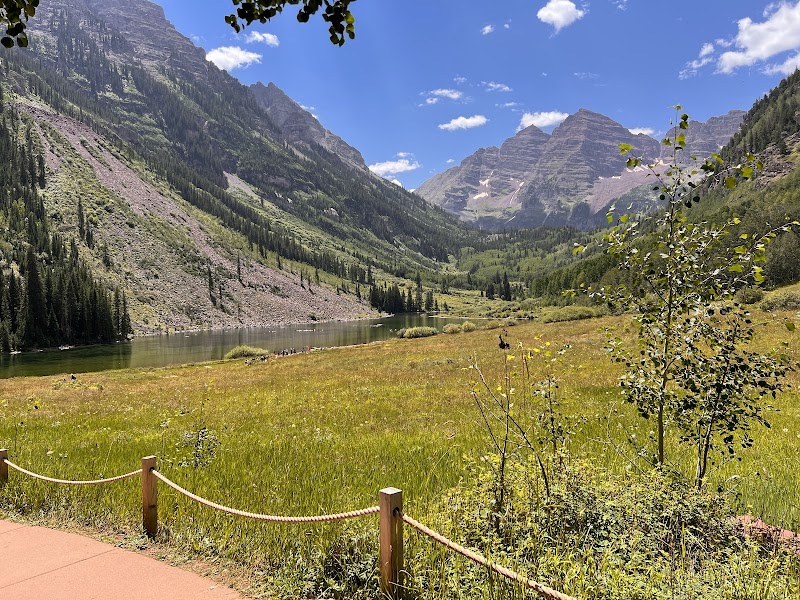
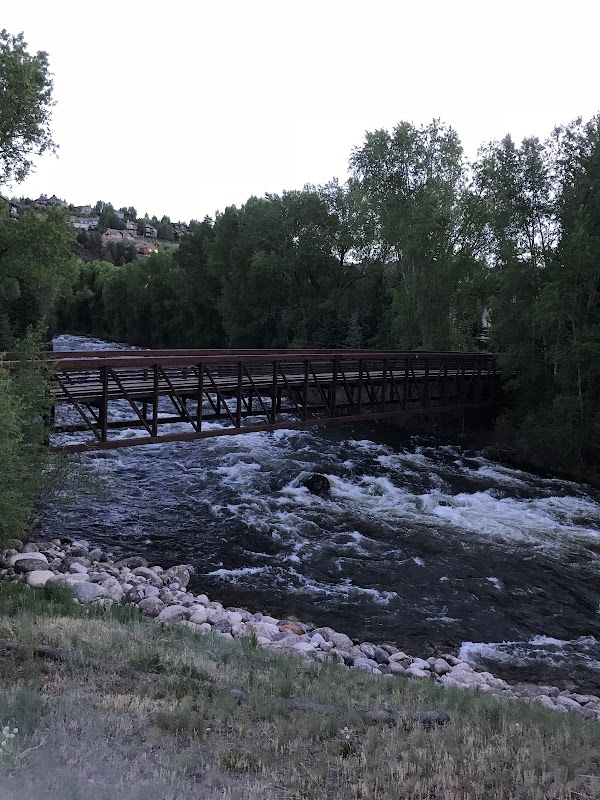
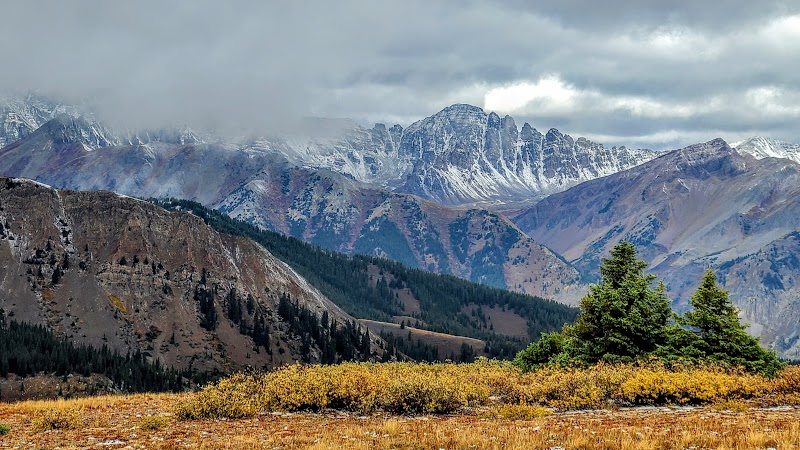
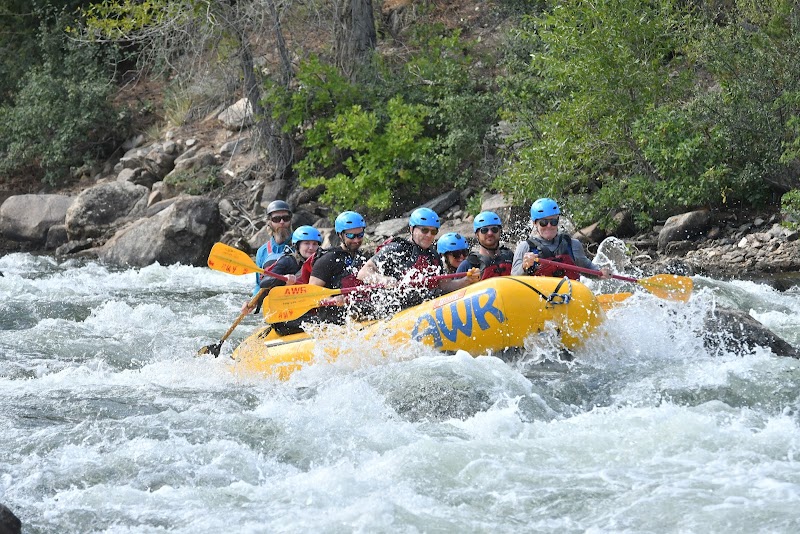
The Roaring Fork River, located in western Colorado, flows through the heart of the Rocky Mountains, providing an essential habitat for native flora and fauna. This river, which stretches for approximately 70 miles, runs from Independence Pass and merges with the Colorado River in Glenwood Springs. Historically, the river basin was home to the Ute Native American tribe before European settlers arrived during the 19th century gold rush. Today, the river is designated as a Wild & Scenic River, underscoring its vital ecological and recreational significance. The Roaring Fork is renowned for its excellent fly fishing opportunities, featuring abundant populations of rainbow and brown trout. It also supports thrilling white-water rafting adventures through its rapid-filled sections, particularly from Aspen to Basalt. The riparian corridors along the river offer great spots for wildlife viewing, including sightings of elk, mule deer, and various bird species. Hikers and mountain bikers enjoy trail options ranging from easy riverside paths to challenging alpine routes. The scenic beauty surrounding the Roaring Fork River and its accessibility from nearby towns make it a favored destination for relaxation and exploration among nature lovers.