Wilderness Landscape & Natural Heritage
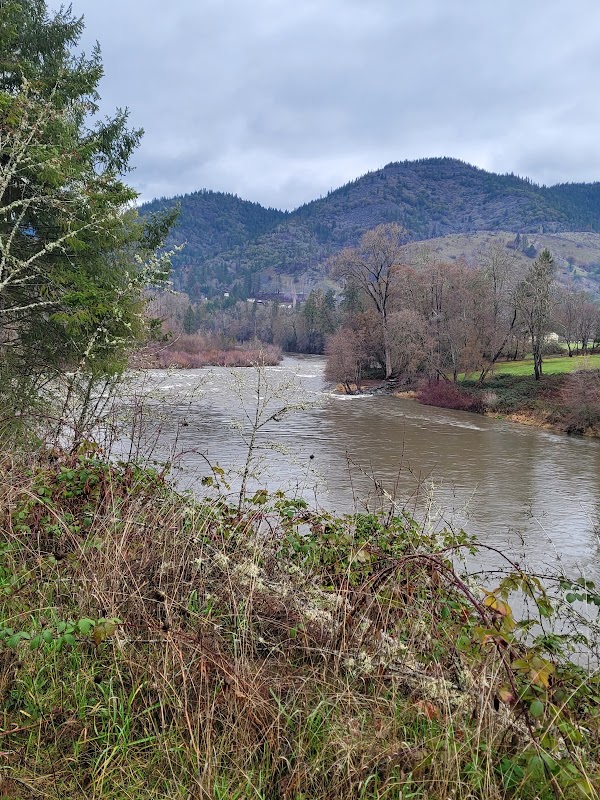
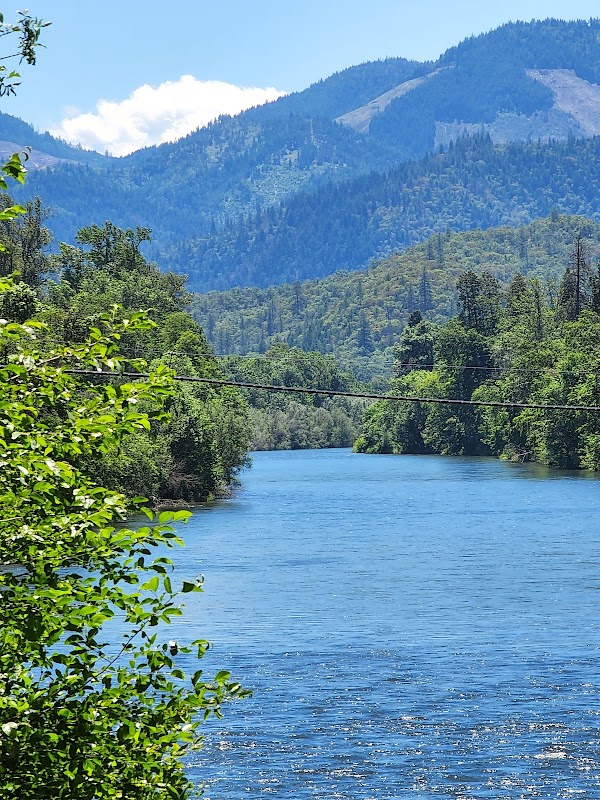
The Rogue River National Wild and Scenic River spans roughly 215 miles across southwestern Oregon, flowing from the Cascade Range to the Pacific Ocean. Designated in 1968 as one of the nation's first Wild and Scenic Rivers, it protects a river corridor rich with steep canyons, ancient Douglas fir and cedar forests, and diverse wildlife habitats. The river's geography varies from snow-fed mountain streams in the east to broad alluvial valleys and estuary marshes near Gold Beach at the coast. It is well known for its challenging whitewater sections, attracting rafters and kayakers from around the world. Anglers fish for wild salmon and steelhead, and numerous hiking trails follow the river’s edge through forests and alongside historic sites. The Rogue River area also preserves important Native American sites, early pioneer history, and remnants of gold mining operations from the 19th century. Visitors are drawn to both its adventure offerings and scenic beauty, including access points like the popular Rogue Gorge and Hellgate Canyon. Campgrounds and lodges along the river provide varied camping opportunities from developed sites to primitive backcountry experiences. The river corridor supports a wide range of wildlife including black bears, river otters, bald eagles, and a multitude of fish species. Seasonal conditions vary widely, with snowmelt swells in spring and drier summer months ideal for rafting and hiking. The Rogue River National Wild and Scenic River represents a vital natural and recreational resource, blending rugged outdoor activity with ecological and cultural preservation.