Wilderness Landscape & Natural Heritage
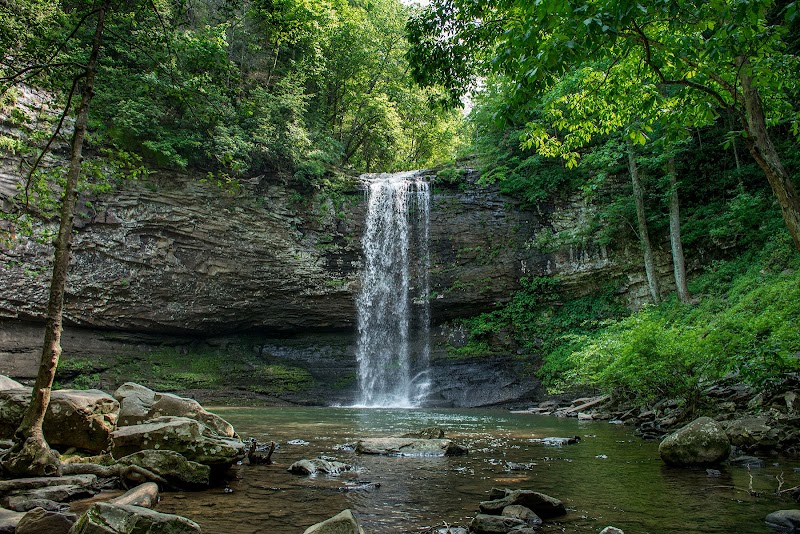
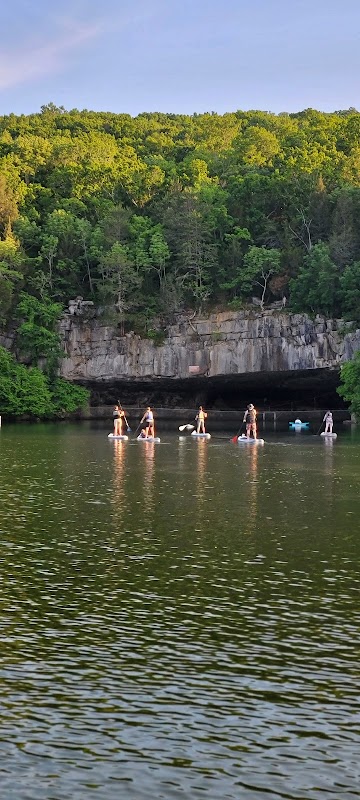
The Tennessee River is a prominent waterway spanning approximately 652 miles through the southeastern United States, traversing Tennessee, Alabama, Mississippi, and Kentucky. It originates at the confluence of the Holston and French Broad Rivers near Knoxville, Tennessee, and flows southwest into Alabama before turning northward towards Kentucky, where it eventually conjoins with the Ohio River. The river basin is characterized by a diverse landscape, incorporating forested hills, fertile valleys, and rugged gorges. This river supports a rich ecosystem with numerous plant and animal species, including several endangered types. Historically, the Tennessee River has been a vital transportation corridor, offering pathways for indigenous peoples and early settlers. The river is equally crucial today, providing opportunities for hydroelectric power, navigation, and recreation. Visitors flock to enjoy activities such as boating, fishing, and wildlife observation. Notable landmarks along the river include the Tennessee Valley Authority dams, including the impressive Wilson Dam, and the scenic Tennessee River Gorge near Chattanooga. This area offers significant appeal for nature lovers and outdoor enthusiasts seeking the tranquil beauty of riverfront landscapes combined with ample opportunities for adventure.