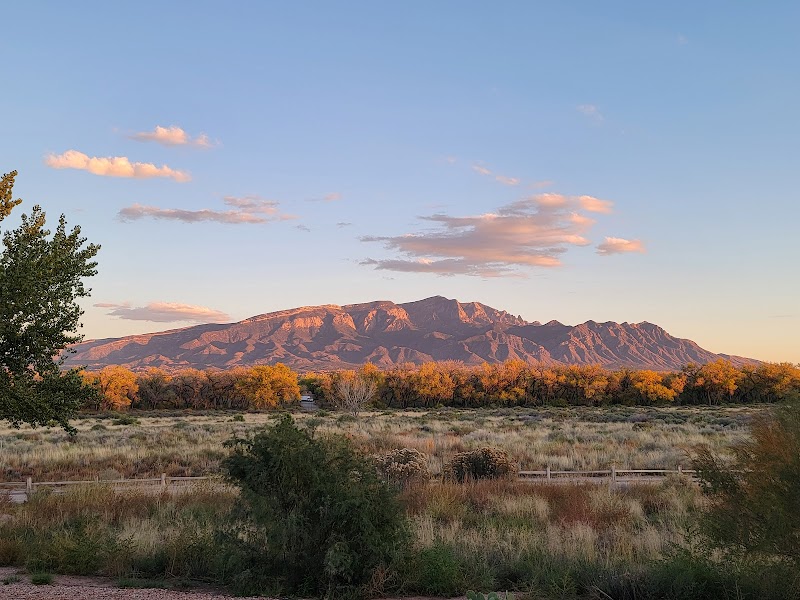
Wilderness Landscape & Natural Heritage
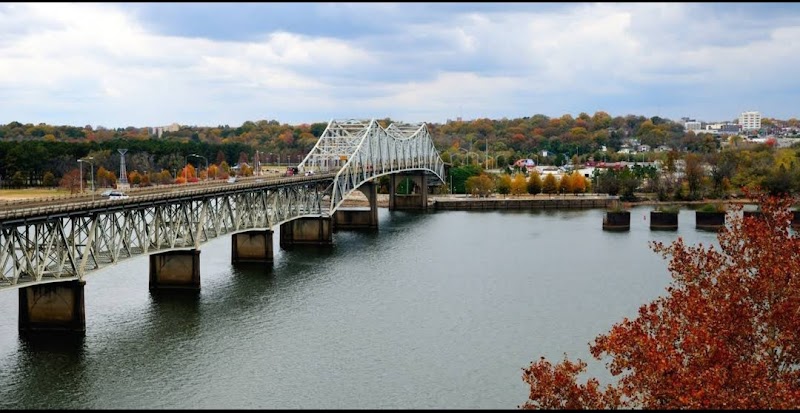
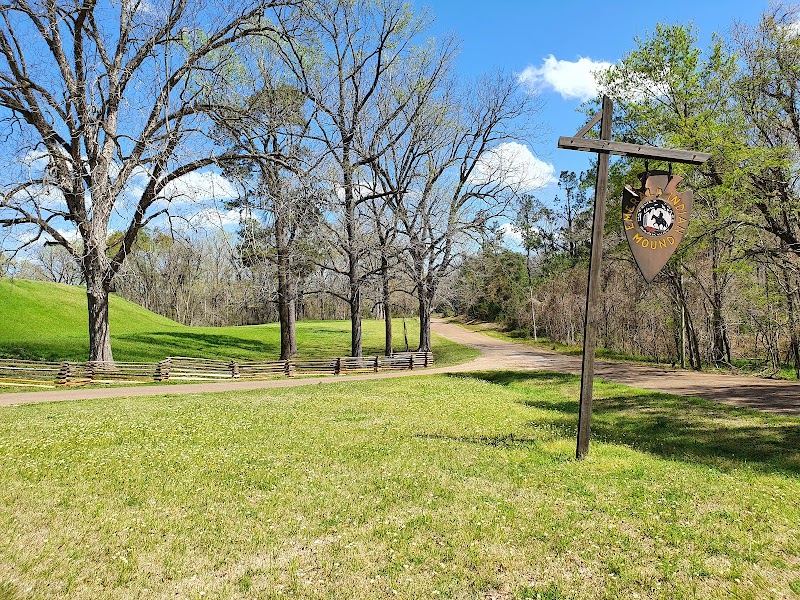
The Tennessee River Corridor extends across northern Alabama and southern Tennessee, encompassing roughly 652 river miles of one of the Southeast's most ecologically and recreationally important waterways. The corridor features a combination of federally designated National Wild and Scenic River segments along with state-managed protections aimed at preserving water quality, wildlife habitat, and the natural scenic character of the river. The geography varies from broad river valleys and expansive reservoirs to rugged bluffs and forested hillsides. This corridor supports diverse ecosystems including bottomland hardwood forests, wetlands, and several critical aquatic habitats that sustain rare fish and bird species. Historically, the river served as an essential transportation route for indigenous peoples and early settlers, and today is vital to regional commerce, recreation, and hydropower generation. The Tennessee River Corridor is especially popular for boating, fishing, kayaking, and wildlife watching. Several state parks and wildlife management areas line the river, offering hiking trails and panoramic views. Notable landmarks include the Wheeler National Wildlife Refuge, which provides habitat for migratory birds, and the Tennessee River Gorge, known for its striking cliffs and biodiversity. Visitors appreciate the opportunity to experience both tranquil natural sections and lively developed areas with marinas and campgrounds. The corridor also includes cultural sites tied to Native American history and early American settlement. Overall, the Tennessee River Corridor invites outdoor enthusiasts, birders, anglers, and paddlers to explore one of the Southeast’s premier river systems in a protected setting.