Wilderness Landscape & Natural Heritage
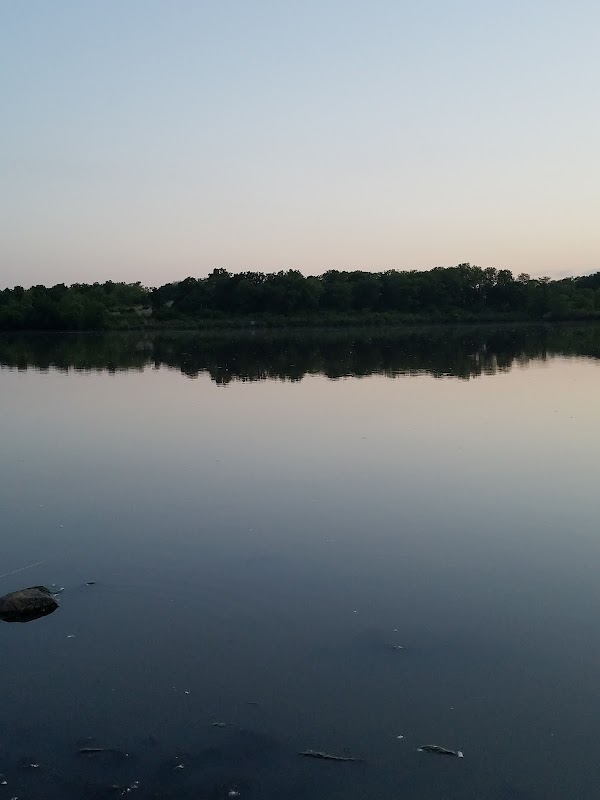
The Kansas River Corridor in Topeka is a vital stretch of the Kansas River that winds through the city's metropolitan area, providing an important natural greenway and recreational resource. This corridor encompasses parklands, trails, and riparian habitats along the river’s banks, supporting varied ecosystems including wetlands, floodplain forests, and prairie remnants. The Kansas River (also known as the Kaw River) is historically significant as a transportation and trade route used by Native American tribes and early settlers. Today, it serves as a centerpiece for Topeka’s outdoor activities, such as hiking, birdwatching, fishing, and paddling. The river corridor includes public parks such as Gage Park and Lake Shawnee nearby, as well as multiple access points for water-based activities. The river’s flow creates a dynamic habitat supporting species like great blue herons, river otters, and migratory waterfowl. Additionally, the corridor is part of larger regional initiatives to preserve water quality and natural landscapes in the watershed. Recreational trails such as the Riverwalk Trail run parallel to the water, giving visitors scenic views and opportunities for exercise and connection with nature. The corridor also contains historic structures and sites that reflect the region’s cultural heritage, including remnants of old riverboat landings and bridges. Visitors are drawn to the area for its accessibility from Topeka’s urban center, offering a blend of natural beauty, wildlife observation, and outdoor sports close to town. The Kansas River Corridor plays a critical role in balancing urban development with nature conservation within the heart of Kansas.