Wilderness Landscape & Natural Heritage
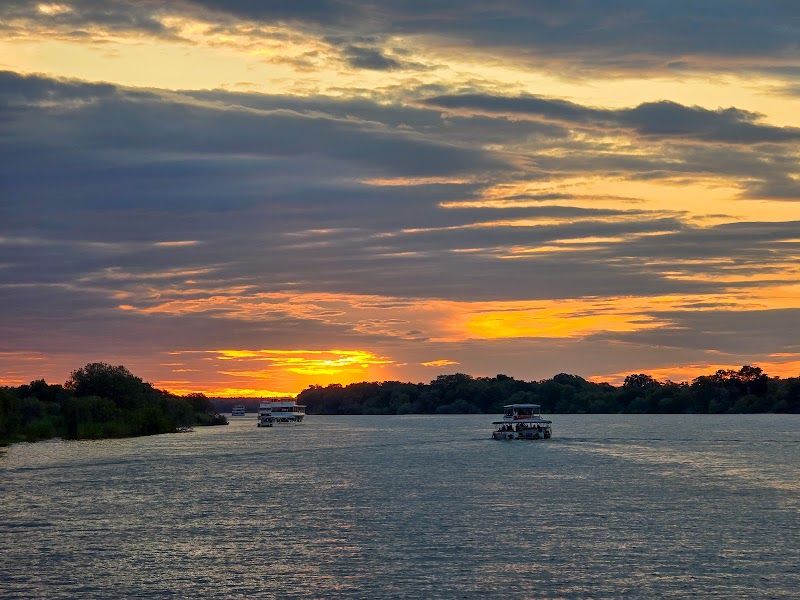
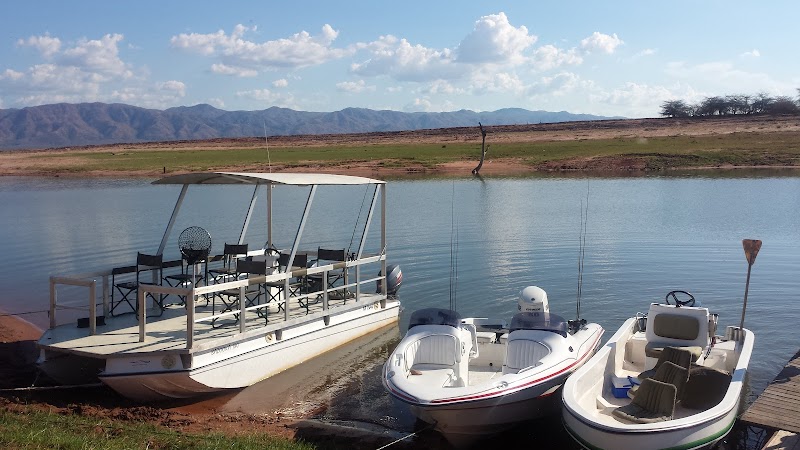
The Zambezi Riverine Habitats stretch along one of Africa's longest rivers, the Zambezi, flowing approximately 2,574 kilometers from its source in Zambia’s Mwinilunga District through Angola, Namibia, Botswana, Zimbabwe, and Mozambique before emptying into the Indian Ocean. This riverine system is characterized by extensive floodplains, swamps, and dense gallery forests that provide a critical refuge for wildlife and support exceptional ecological productivity. The area acts as a natural corridor for numerous species including elephants, hippos, crocodiles, sitatunga antelope, and over 400 bird species, making it a focal point for biodiversity conservation in southern Africa. Historically, the Zambezi is significant for its role in regional human settlement and cultural heritage, as well as the presence of Victoria Falls—one of the world’s largest and most famous waterfalls. The river and its riparian zones are major draws for eco-tourism and outdoor activities such as guided safaris, boating and canoeing trips, bird watching, and photographic safaris. Visitors often explore protected areas within this system, including national parks like Lower Zambezi National Park (Zambia) and Mana Pools National Park (Zimbabwe), both renowned for their pristine riverine environments. The dynamic seasonal flooding shapes the landscape and influences wildlife movements, providing ever-changing scenic vistas. The habitats function as an essential water resource in a predominantly dry region, sustaining local communities and wildlife alike. The Zambezi Riverine Habitats offer a compelling blend of natural beauty, wildlife sightings, and adventure, appealing to travelers seeking authentic experiences in one of Africa’s most vital river ecosystems.