Wilderness Landscape & Natural Heritage
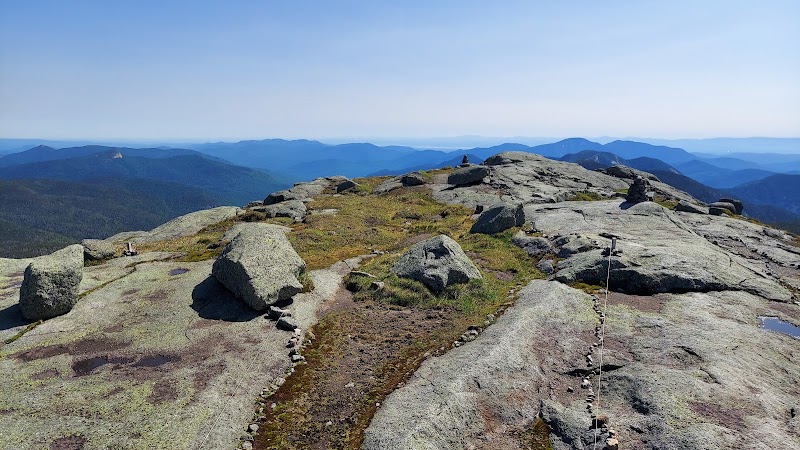
The Adirondack High Peaks Wilderness occupies a central portion of New York's Adirondack Park and is home to the 46 High Peaks, which were traditionally considered to be peaks over 4,000 feet in elevation. Spanning rugged terrain of steep mountains, glacial valleys, and dense forests, the wilderness offers habitats for diverse flora and fauna, including boreal species like spruce and fir. The area’s geology is characterized by ancient metamorphic rocks and evidence of past glaciation. Historical significance includes its role in early conservation efforts, helping establish the Adirondack Park in the late 19th century to protect its unique natural resources. Popular for outdoor recreation, the wilderness is a favored destination for hiking, backpacking, climbing, and winter sports. The High Peaks include the tallest mountain in New York, Mount Marcy (5,344 ft), and other notable summits such as Algonquin Peak and Haystack Mountain. Visitors often pursue the challenge of hiking all 46 High Peaks, earning membership in the Adirondack Forty-Sixers club. The wilderness is managed by the New York State Department of Environmental Conservation and offers a mixture of well-maintained trails, backcountry camping, and remote hiking experiences. Seasonal changes dramatically shape the landscape, with colorful autumn foliage, winter snowpack for ski touring, and spring wildflowers. The Adirondack High Peaks Wilderness provides both physical challenge and natural beauty, attracting hikers, nature lovers, and outdoor enthusiasts from across the region and beyond.