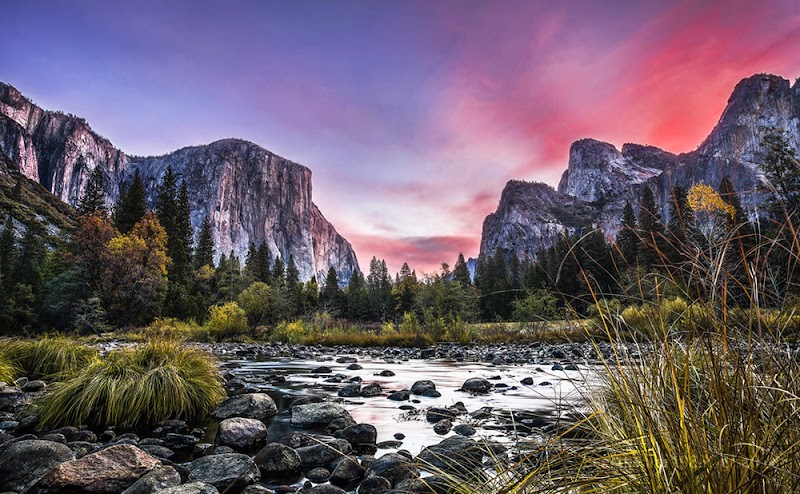
Within the vast expanses of the John Muir Wilderness, a paradise for the passionate angler unfolds, promising both thrill and serenity in equal measure. This landscape, where towering peaks pierce ...
Wilderness Area652,7904+ Trails
1964WILDERNESS AREA
DesignationWilderness Area
Total Wilderness Area652,790
Elevation / TerrainDiverse Wilderness
Field Editorial Guide
About John Muir Wilderness
John Muir Wilderness offers a stunning landscape of rugged mountains, lush forests, and pristine lakes, providing a haven for outdoor enthusiasts seeking adventure and solitude.
Wilderness Landscape & Natural Heritage
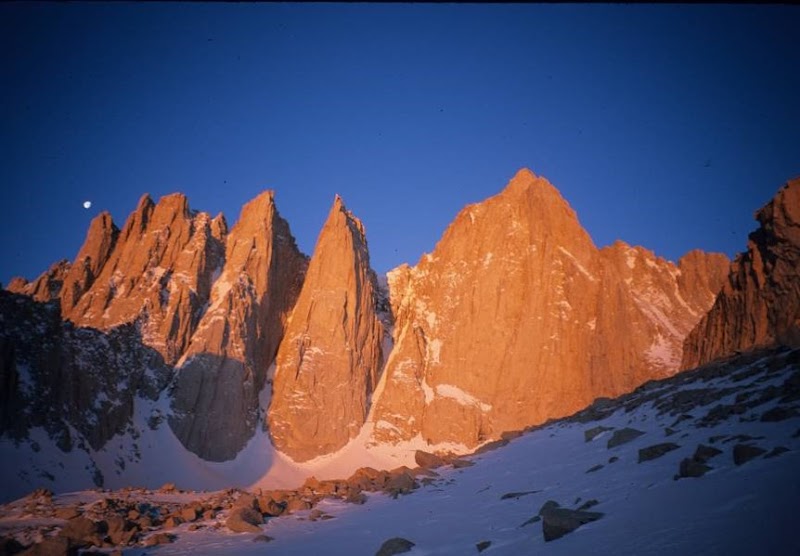
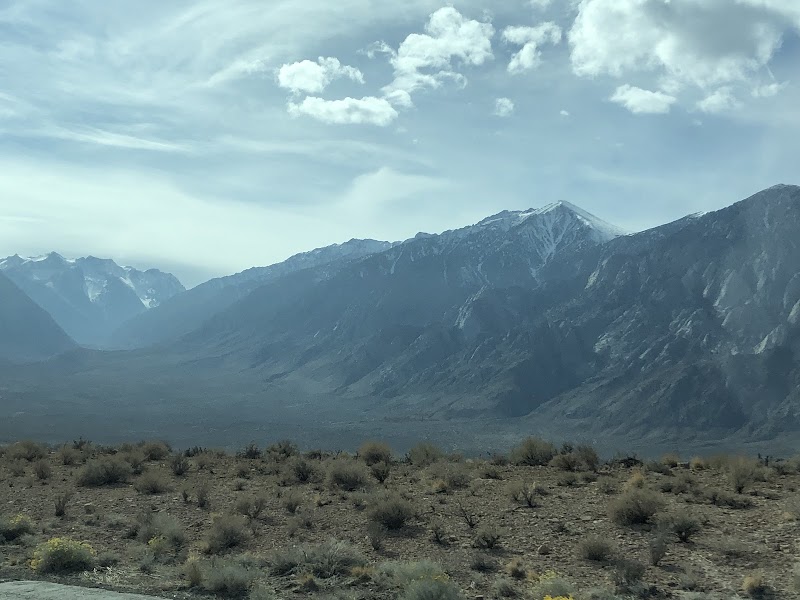
The John Muir Wilderness, covering approximately 650,000 acres, is located in the eastern Sierra Nevada of California. It spans across the Inyo and Sierra National Forests. Named after the famous naturalist John Muir, this wilderness area is characterized by its jagged peaks, alpine meadows, and clear, glacial lakes. Its elevation ranges from 4,500 feet to over 14,000 feet at the summit of Mt. Whitney, the highest point in the contiguous United States. Ecologically, it is home to diverse flora and fauna, including the resilient bristlecone pine and the elusive Sierra Nevada bighorn sheep. Historically, the area has archaeological sites and remnants of the native Paiute peoples. Key recreational activities include hiking the Pacific Crest Trail that runs through the wilderness, rock climbing, and fishing in its many streams and lakes. Among the notable landmarks are the iconic Minaret Peaks and the secluded Humphreys Basin. Visitors are drawn to its unspoiled natural beauty, challenging terrain, and opportunities for reflection amidst the grandeur of the high Sierras.
Field Guide · Wilderness Area
Adventure Destinations
Notable Destinations Near John Muir Wilderness
Scenic viewpoints, outdoor landmarks, and notable points of interest within 60 miles.
Key Wilderness Highlights
✦ Minaret Peaks – A dramatic and jagged mountain skyline that is a true symbol of the wilderness.✦ Sierra Nevada Bighorn Sheep – A rare opportunity to see one of the world's endangered wildlife species.✦ Pacific Crest Trail – A significant section of the famous long-distance trail crosses through the wilderness.✦ Humphreys Basin – Offers a serene escape with its high-altitude lakes and panoramic views.
Wilderness Visuals & Gallery
Visual Guide to John Muir Wilderness
Wilderness Recreation
Outdoor Adventures in John Muir Wilderness
Explore curated guides for top outdoor sports, trail networks, and wilderness activities.
Activity Field GuideJohn Muir Wilderness
Fishing in John Muir Wilderness
Cruising the Waters of John Muir Wilderness: An Angler’s Quest
Within the vast expanses of the John Muir Wilderness, a paradise for the passionate angler unfolds, promising both thrill and serenity in equal measure. This landscape, where towering peaks pierce the azure skies and silvery streams meander through lush valleys, presents a haven for those who follow the call of the wild waters. The journey begins long before the first cast; it is a passage through nature’s grand hallways, where each step on the needle-carpeted trail whispers promises of the treasures hidden beneath the mirrored surfaces of alpine lakes.
In this rugged wilderness, the air is perfumed with a heady blend of pine and sage, carried by breezes that dance playfully over ridges, summoning adventurers onward. Whether you tread through dense groves of cedar and fir or traverse the open meadows speckled with vibrant wildflowers, every path leads to another aquatic outpost, each with its unique rhythm and bounty. The streams, fed by the purest snowmelt, babble a siren song, inviting you to decipher the mystery of their depths.
For the newcomer to these waters, hike preparation is an art as well as a necessity. Begin your expedition with a stout pair of waterproof boots, as these trails promise both dew-laden mornings and the occasional creek cross that challenges balance and poise. Pack layers to armor against the capricious mountain elements; the summer sun may nurture warmth, but twilight invites a brisk chill. Elevations here vary, often soaring above 10,000 feet, so preparation for altitude is key. Hydration plays a crucial role—drink ample water to stave off fatigue while navigating the undulating terrains.
As the forest canopy parts to reveal the glassy surface of an alpine lake, the thrill of possibility fills the air. These waters teem with rainbow, brown, and golden trout, lurking like hidden gems beneath the reflective sheen, challenging anglers with their elusiveness. Casting your line upon these pristine waters, patience becomes your most valuable ally. Silence here is not merely the absence of noise; it’s a profound presence that enhances the experience, amplifying the gentle lapping of water against your line and the occasional rush of a jumping trout breaking the surface.
Casting techniques vary, and adapting your approach can be as rewarding as the catch itself. A gentle flick of the wrist sends an artificial fly skimming just above the water, an imitation of life that these wild fish scrutinize with a wary eye. It’s in these moments of stillness and watchful anticipation that the wilderness reveals its true magic—an oasis where man and nature engage in a timeless ballet of challenge and reward.
While the catch is often hailed as a triumphant conclusion, seasoned adventurers know that the journey itself is where true richness lies. As the sun dips behind the craggy horizon, lakes glisten with a golden hue, whispering farewells and promises of more adventures to come. Pack your essentials, respect the natural world by adhering to leave-no-trace ethics, and let each cast and reel reconnect you with the wildness that flows untamed within the John Muir Wilderness.
Thus, armed with knowledge and provisions, the angler sets forth into the heart of this storied land, where each meander and plunge yield not just fish, but moments of reflection and renewal amidst the rugged splendor of the High Sierra.
Other Available Activity Guides in John Muir Wilderness:
The Ranger Station
Visitor Logistics & Essential Planning
Everything you need to know about entrance passes, seasons, visitor centers, road transit, and wildlife safety in John Muir Wilderness.
Passes & Fees
Entrance Requirements & Interagency Passes
Permits are required for overnight trips; day-use is generally free.
Wilderness Checklist
Carry paper topographic map & compass in remote zones.
Store all food and scented items in approved bear canisters.
Check wildfire / smoke advisories before backcountry departure.
Pack out everything you pack in (Leave No Trace).
Wilderness Stays
Camping & Overnight Stays in John Muir Wilderness
Frontcountry developed campgrounds, backcountry wilderness permit guidelines, and starry-night camping advice.
Big Pine Creek Campground
Located close to the trailheads leading into the wilderness, equipped with basic amenities.
Stay, dine, and gear up in these mountain towns and scenic basecamps surrounding the park.
⌖ 2.53 miles
Gateway Basecamp
Mammoth Lakes, California
Mammoth Lakes captivates with alpine adventures, offering prime skiing at Mammoth Mountain and scenic trails in the Eastern Sierra. Perfect for outdoor enthusiasts seeking year-round excitement.
Crowley Lake, California offers a quiet alpine escape perfect for fishing, kayaking, hiking, and mountain biking. Set against the stunning backdrop of the Eastern Sierra, this lake town invites outdoor lovers to camp, paddle, and ride through pristine natural beauty from late spring through fall.
Wawona serves as an inviting gateway to Yosemite National Park, offering fantastic hiking, fishing, and camping opportunities. Its breathtaking sequoia groves and waterfalls make it an adventurer’s paradise.
Lee Vining is a small town with big adventure offerings. From the striking alkali waters of Mono Lake to the rugged trailheads of the Eastern Sierra, it’s perfect for hikers, photographers, and nature lovers.
Bishop, CA, is your ticket to exploring the Eastern Sierra. Famous for its rock climbing, hiking, and fishing, the area offers endless outdoor opportunities. Discover pristine wilderness and engage in thrilling adventures.
Yosemite National Park offers thrilling adventures including hiking legendary trails like Half Dome, scaling the towering El Capitan, and capturing the majesty of its iconic landscapes. With each season, explore its diverse beauty and abundant wildlife.
A short, fact‑based guide to renting a modern aluminum boat with a push‑button start from Crowley Lake Fish Camp and the rules, gear and policies to know before you go.
A practical guide to renting the 30 HP flat‑bottom boat from Crowley Lake Fish Camp in Mammoth Lakes—what to expect, the rules to know, and how to plan a safe outing.
A one‑story cabin in Mammoth Lakes that sleeps up to six, with a fully equipped kitchen, private bathroom, electric heat and an outside fire pit—this guide explains what to expect and how to pack for a self‑catered stay.
Discover the peace and wildlife of Lake Mary in Mammoth Lakes with kayak, paddleboard, and canoe rentals. Perfect for families and outdoor lovers eager to explore alpine waters without the noise of motors.
Rent a side-console boat equipped with a 90HP motor, fish finder and shade cover from Crowley Lake Fish Camp — this guide distills what the boat offers and the operator rules you need to know.
Rent 12- and 8-person pontoons or a 14-foot motor boat from Lake Mary Marina; this guide explains boat options, capacities, what to bring, and available rental durations.
A factual guide to the 40HP pontoon rental operated by Crowley Lake Fish Camp in Mammoth Lakes, covering the boat’s equipment, operator policies, and what renters must bring.
Two purpose-built JMT/PCT hiker cabins at Red's Meadow Resort & Pack Station provide simple bunk accommodations with fresh linens and access to a communal shower house—essential intel for thru-hikers and section hikers stopping in Mammoth Lakes.
A focused guide to renting a 60‑horsepower pontoon from Crowley Lake Fish Camp — what the boat offers, the rules that govern it, and how to plan a safe day on the water.