Wilderness Landscape & Natural Heritage
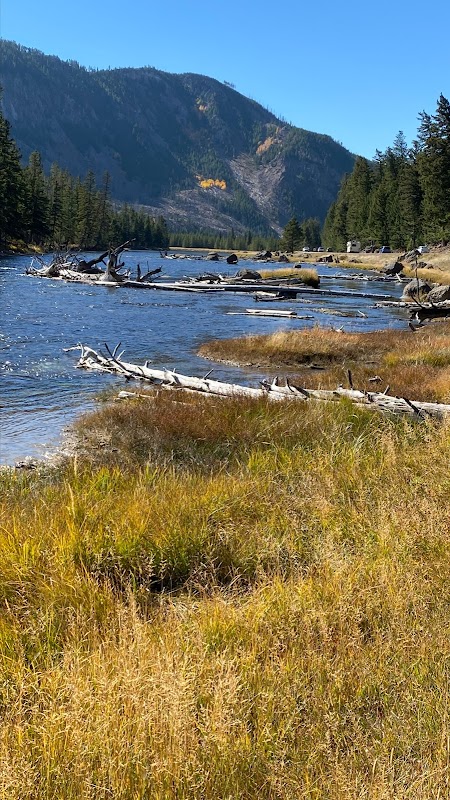
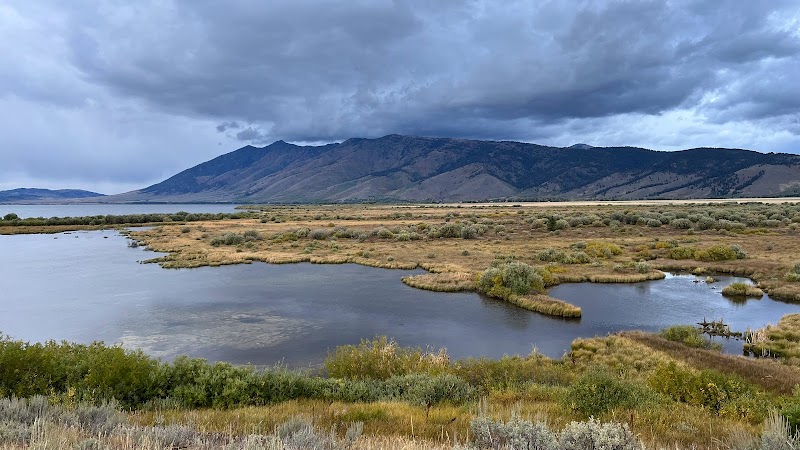
The Big Hole River Wilderness Study Area in southwestern Montana encompasses a significant portion of the Big Hole River corridor, including its surrounding riparian zones and upland sagebrush and grassland habitats. This area provides critical habitat for diverse wildlife species such as elk, mule deer, river otters, and an array of bird species including bald eagles and great blue herons. The river itself is renowned for its blue-ribbon trout fishery, hosting native Westslope cutthroat trout and trophy-sized rainbow trout, making it a premier destination for fly fishing enthusiasts. Geographically, the study area lies within a high valley bordered by the Bitterroot and Beaverhead mountain ranges, featuring rolling riverbanks, gravel bars, and cottonwood stands. Historically, the Big Hole River corridor was a significant travel route for Native American tribes and later for fur trappers and settlers. The Wilderness Study Area designation helps preserve the natural character of this region while maintaining it in a roadless condition pending a final decision on wilderness status. Visitors to the Big Hole River Wilderness Study Area can engage in hiking, bird watching, fishing, and horseback riding in a peaceful environment with limited development. The area’s natural features include expansive river views, quiet backcountry trails, and the chance to observe bighorn sheep, osprey, and occasional bears. Its remote nature ensures a low-use experience and the opportunity to connect with Montana’s rugged landscape. The region also offers access to nearby public land and wilderness areas, expanding exploration possibilities for outdoor enthusiasts.