Wilderness Landscape & Natural Heritage
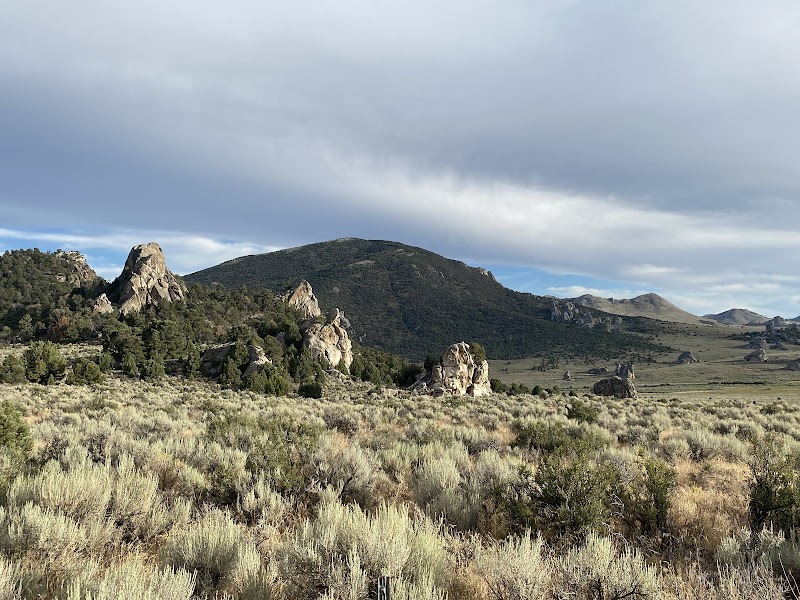
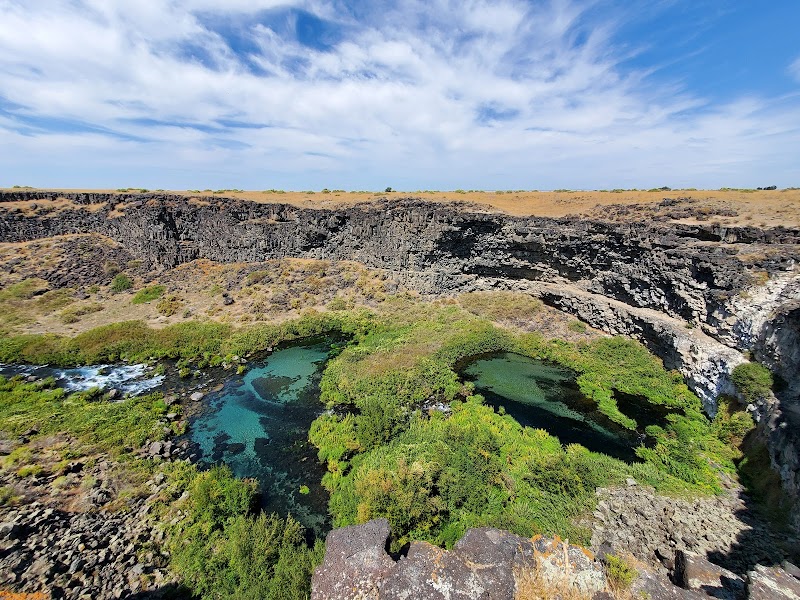
The Jarbidge Wilderness, established in 1964 and expanded in 1989, encompasses over 113,000 acres of wild country located within the Jarbidge Ranger District of the Humboldt-Toiyabe National Forest. Situated in the mountainous Jarbidge Range, this area is characterized by steep cliffs, deep canyons, high mountain peaks exceeding 10,000 feet, and clear cold rivers including the Jarbidge River, known for its quality trout fishing. The Wilderness area hosts a blend of coniferous forests with species like Engelmann spruce, subalpine fir, and lodgepole pine, creating critical habitat for wildlife such as mule deer, mountain lions, mountain goats, and the rare Bonneville cutthroat trout. Historical significance includes early Native American use, as well as mining remnants from the late 19th and early 20th centuries. Visitors to the Jarbidge Wilderness can enjoy solitude through hiking, backpacking, fishing, horseback riding, and wildlife watching. Notable landmarks include the high alpine Jarbidge River Canyon and Jarbidge Peak, providing panoramic views of the rugged terrain. Due to its remote location, access often requires high-clearance vehicles or hiking in from trailheads. The wilderness status ensures preservation of natural conditions and limits mechanized travel, offering an authentic backcountry experience for those prepared for self-reliant exploration.