Wilderness Landscape & Natural Heritage
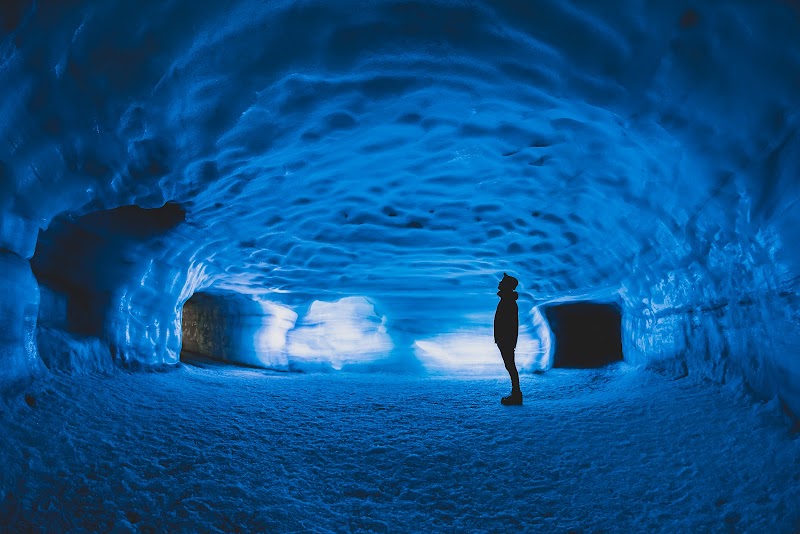
Langjökull Glacier Wilderness encompasses the second largest glacier in Iceland, spanning approximately 860 square kilometers in the western Highlands. This expansive ice cap is a dominant feature of Iceland's rugged volcanic landscape, with its surface characterized by deep crevasses, ice caves, and moulins. The glacier feeds several major Icelandic rivers, including the Hvítá and Tungnaá, and influences the surrounding subarctic ecosystem. Historically, Langjökull has been a key water source and travel barrier for Icelanders, with its presence documented since the Age of Settlement. Today, it attracts outdoor enthusiasts interested in glacial trekking, snowmobiling, and exploring natural ice formations. Notable nearby landmarks include the Húsafell area, known for geothermal activity, and the artificial ice tunnel allowing visitors close-up views of the glacier's interior. The region's volcanic geology occasionally results in subglacial eruptions, shaping the landscape and occasionally altering glacier surface conditions. Visitors should be prepared for quickly changing weather and challenging terrain, but they will be rewarded with spectacular views of stark ice plains, ice caves, and distant volcanic peaks. The wilderness appeals to those seeking both adventure and the opportunity to witness one of Iceland's iconic glaciers up close. Sustainable visitation practices are encouraged to protect the fragile glacial environment.