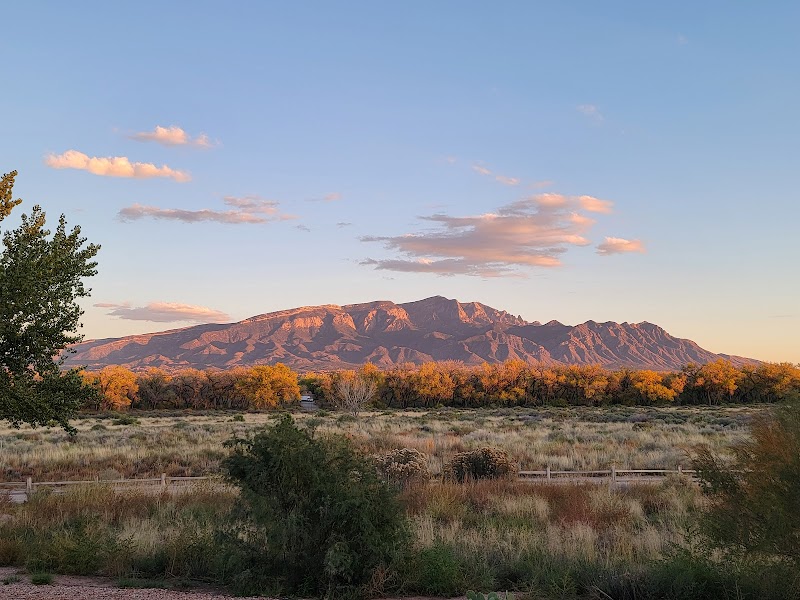
Little Rocky Mountains Wilderness Study Area wilderness guide
Wilderness Study Area · MT

Little Rocky Mountains Wilderness Study Area

The Little Rocky Mountains Wilderness Study Area in Montana offers rugged terrain and diverse habitats that appeal to hikers, wildlife enthusiasts, and solitude seekers alike.

Wilderness Study Area64,0004+ Trails

Designation

Wilderness Study Area

Total Wilderness Area

64,000

Elevation / Terrain

Diverse Wilderness

Field Editorial Guide

About Little Rocky Mountains Wilderness Study Area

The Little Rocky Mountains Wilderness Study Area in Montana offers rugged terrain and diverse habitats that appeal to hikers, wildlife enthusiasts, and solitude seekers alike.

Wilderness Landscape & Natural Heritage

The Little Rocky Mountains Wilderness Study Area (WSA) is located in north-central Montana, largely within the boundaries of the Fort Belknap Indian Reservation. This WSA encompasses approximately 64,000 acres of rugged, isolated buttes and mountain ranges distinct from the surrounding prairie landscape. The geology includes volcanic and sedimentary formations that create steep cliffs, exposed rock faces, and deep draws. Ecologically, the area supports mixed-grass prairie, ponderosa pine forests, and riparian zones that provide habitat for a range of wildlife species including mule deer, pronghorn antelope, least chipmunks, and a variety of birds such as eagles and hawks. Historically, the Little Rockies are culturally significant to the Gros Ventre and Assiniboine tribes, with evidence of Native American use dating back centuries. Recreation opportunities are generally low-impact and cater to visitors interested in hiking, wildlife viewing, photography, and experiencing solitude in a remote setting. There are no developed campgrounds or extensive trail systems, providing a more raw outdoor experience. Visitors are drawn to the panoramic vistas from the higher elevations, rugged terrain for backcountry hiking, and the chance to witness unique plant species adapted to the mixed habitat. The Wilderness Study Area designation affords protections while Congress considers permanent wilderness status, ensuring the preservation of its natural and cultural resources. Access is generally by rugged two-track roads and requires careful preparation due to the area's remoteness and lack of visitor facilities.

Field Guide · Wilderness Study Area
Adventure Destinations

Notable Destinations Near Little Rocky Mountains Wilderness Study Area

Scenic viewpoints, outdoor landmarks, and notable points of interest within 60 miles.

Key Wilderness Highlights

✦ Panoramic views from Haystack Butte, the highest peak in the Little Rockies✦ Habitat supporting rare plant species and diverse wildlife including raptors✦ Culturally significant sites related to Gros Ventre and Assiniboine tribes✦ Remote hiking routes with minimal human impact and few visitors
Wilderness Recreation

Outdoor Adventures in Little Rocky Mountains Wilderness Study Area

Explore curated guides for top outdoor sports, trail networks, and wilderness activities.

Park Recreation

Hiking

Available in Little Rocky Mountains Wilderness Study Area
Park Recreation

Wildlife Viewing

Available in Little Rocky Mountains Wilderness Study Area
Park Recreation

Photography

Available in Little Rocky Mountains Wilderness Study Area
Park Recreation

Backcountry Camping

Available in Little Rocky Mountains Wilderness Study Area
Park Recreation

Birdwatching

Available in Little Rocky Mountains Wilderness Study Area
Park Recreation

Nature Study

Available in Little Rocky Mountains Wilderness Study Area
The Ranger Station

Visitor Logistics & Essential Planning

Everything you need to know about entrance passes, seasons, visitor centers, road transit, and wildlife safety in Little Rocky Mountains Wilderness Study Area.

Passes & Fees

Entrance Requirements & Interagency Passes

Free access, no permits required, but visitors should respect tribal regulations and cultural sites

Wilderness Checklist

Carry paper topographic map & compass in remote zones.
Store all food and scented items in approved bear canisters.
Check wildfire / smoke advisories before backcountry departure.
Pack out everything you pack in (Leave No Trace).
Wilderness Stays

Camping & Overnight Stays in Little Rocky Mountains Wilderness Study Area

Frontcountry developed campgrounds, backcountry wilderness permit guidelines, and starry-night camping advice.

Wilderness & Developed Camping Regulations

Camping is one of the most rewarding ways to experience Little Rocky Mountains Wilderness Study Area. Most frontcountry campgrounds require advance reservations on Recreation.gov during peak season, while backcountry camping requires a wilderness permit and certified bear-resistant food canisters.

Find Campgrounds on Recreation.gov