Wilderness Landscape & Natural Heritage
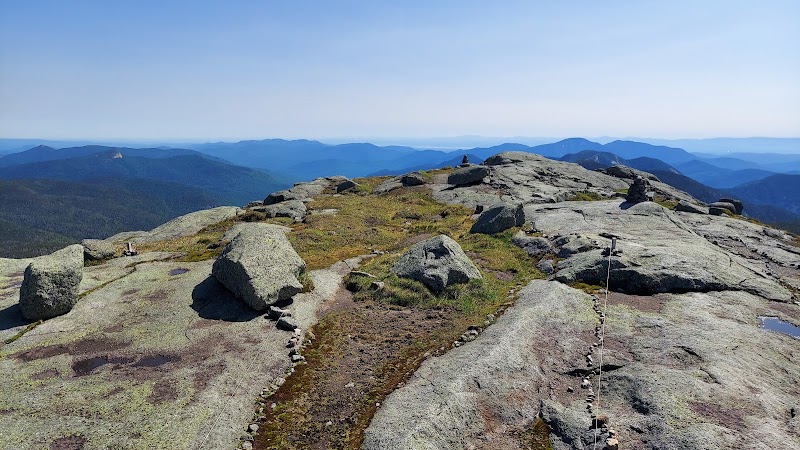
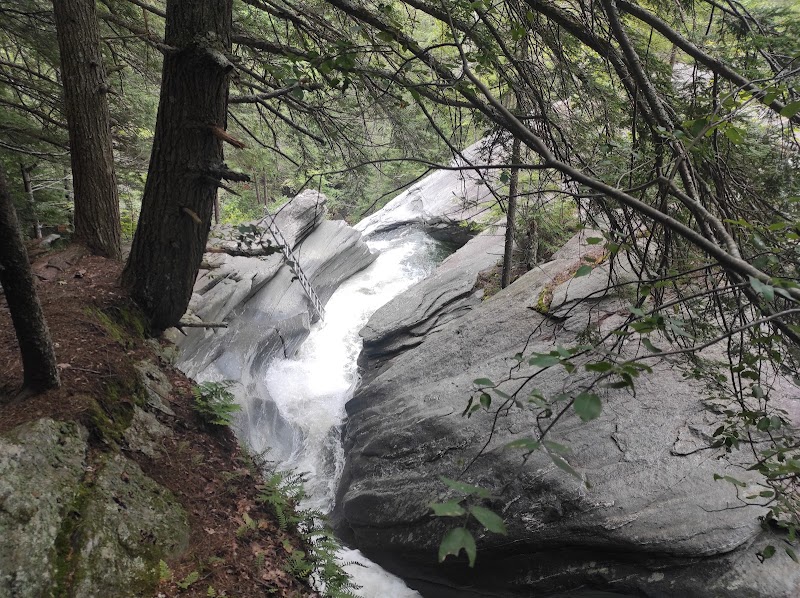
Lye Brook Wilderness Area, established in 1984, encompasses over 18,000 acres of rugged backcountry in southern Vermont. Situated within the Green Mountain National Forest, the wilderness features steep hills, rocky ridges, and dense northern hardwood and conifer forests. The area is best known for the scenic Lye Brook Falls, a 125-foot waterfall accessible via the Lye Brook Trail. This wilderness area offers a variety of outdoor recreation opportunities, including hiking, backpacking, fishing, and wildlife observation. The remote terrain and minimal trail development provide solitude, making it a favorite among experienced hikers and backpackers seeking quiet away from more developed areas. The ecology of Lye Brook Wilderness is rich with species such as white-tailed deer, black bear, moose, and numerous songbirds. Vegetation varies from rich hardwood stands at lower elevations to spruce-fir forests near ridge tops. The wilderness is characterized by rocky streams, wetlands, and rugged plateaus, contributing to a diverse habitat mosaic. Historic logging once took place here, but the land is now managed to emphasize natural processes and wilderness preservation. Visitors appreciate the peaceful environment, scenic views, and opportunities to explore several moderate to challenging trails that connect to the larger network of trails in Green Mountain National Forest. Lye Brook Wilderness is also a vital area for watershed protection, feeding into the Battenkill and Hoosic River systems. Overall, this backcountry area provides a classic Vermont wilderness experience for those seeking a combination of rugged terrain, notable waterfalls, and quiet forested surroundings.