Wilderness Landscape & Natural Heritage
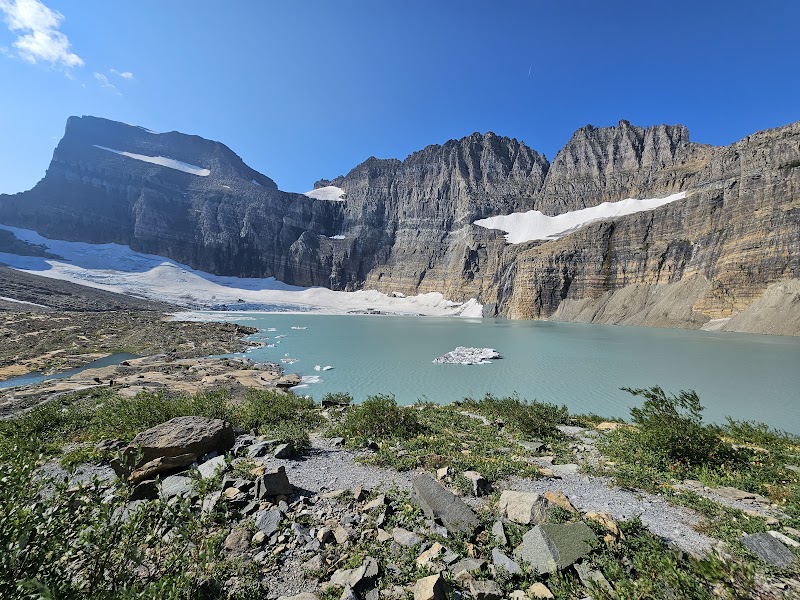
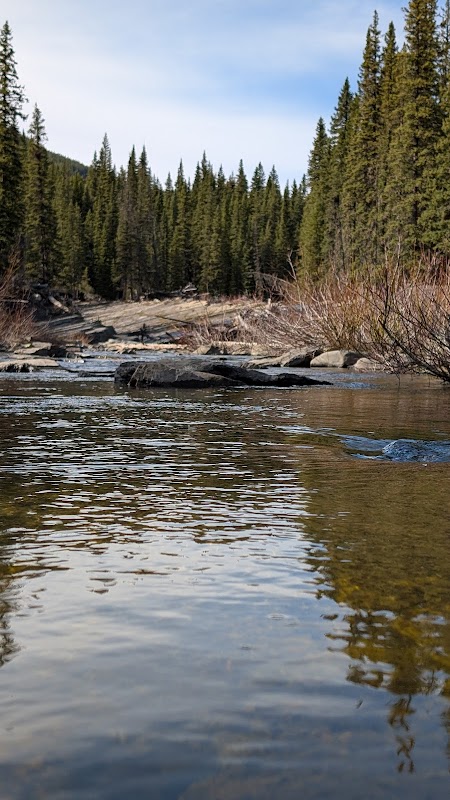
Castle Wildland Provincial Park spans over 65,000 hectares in southwestern Alberta along the eastern slopes of the Rocky Mountains, directly adjacent to the British Columbia border. The park was established in 2017 to conserve an extensive portion of montane forest, subalpine and alpine habitats, and complex canyon systems. It contains deep river valleys carved by the Castle and Raven Rivers, mixed conifer forests, and alpine meadows that sustain diverse wildlife such as grizzly bears, cougars, elk, mountain goats, and wolves. The area holds cultural significance for Indigenous peoples, who have long relied on the land for traditional hunting and gathering. Castle Wildland is primarily valued for its remote backcountry experience, offering pristine hiking, horseback riding, hunting, wildlife viewing, and fishing opportunities without modern facilities or developed campgrounds. The park’s rugged terrain includes scenic landmarks such as the Castle River Canyon and the sprawling Castle Mountain massif. Its adjacency to British Columbia’s Castle Provincial Park enhances habitat connectivity for large mammals. Visitors seeking solitude and wilderness exploration come to experience the challenging trails, fishing in cold-water streams, and spotting rare species in an environment largely free from motorized disturbance. Access is mostly by unpaved forest roads and hiking, with conditions often difficult due to weather and terrain, underscoring the park’s appeal to experienced outdoor enthusiasts.