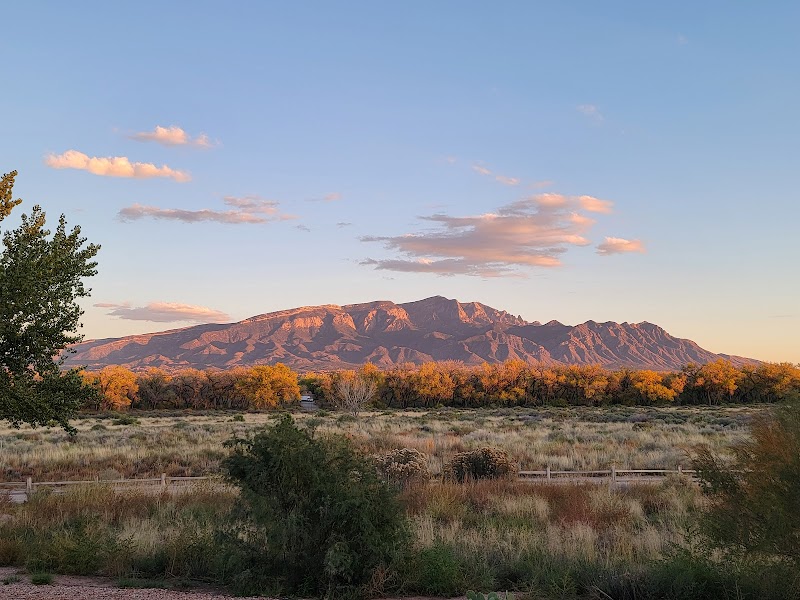
Wilderness Landscape & Natural Heritage
Located in the northernmost part of Alaska, the Northern Alaska Wildlife Conservation Area spans a large portion of the Arctic tundra and coastal wetlands along the Beaufort Sea. This conservation area is essential for safeguarding habitat used by a range of Arctic wildlife, including caribou herds, polar bears, muskoxen, Arctic foxes, and migratory birds such as snow geese and tundra swans. The landscape is dominated by expansive tundra plains, icy river deltas, and shallow coastal waters that support breeding and foraging grounds. Historically, the region has been inhabited by Indigenous peoples such as the Inupiat, whose traditional knowledge and subsistence practices remain integral to the area's management. Recreation is highly specialized due to the area's remote location and harsh environment, with activities including guided wildlife viewing, photography, and limited backcountry camping. The area provides a rare chance to experience a pristine Arctic ecosystem largely untouched by development. Key landmarks include portions of the National Petroleum Reserve-Alaska and proximity to the Arctic National Wildlife Refuge. Access is challenging, relying primarily on air transport or seasonal ice roads. Visitors are drawn by the extraordinary Arctic scenery and the chance to observe iconic northern species in their natural environment. The conservation area also plays a vital role in research and monitoring of climate change impacts in the Arctic region.