Fort Peck Wildlife Management Area wilderness guide
Wildlife Management Area · MT

Fort Peck Wildlife Management Area

Fort Peck Wildlife Management Area in northeastern Montana offers extensive habitat for diverse wildlife and a variety of outdoor recreation opportunities including hunting, fishing, and birdwatching along the shores of Fort Peck Lake and the Missouri River.

Wildlife Management Area90,0004+ Trails

Designation

Wildlife Management Area

Total Wilderness Area

90,000

Elevation / Terrain

Diverse Wilderness

Field Editorial Guide

About Fort Peck Wildlife Management Area

Fort Peck Wildlife Management Area in northeastern Montana offers extensive habitat for diverse wildlife and a variety of outdoor recreation opportunities including hunting, fishing, and birdwatching along the shores of Fort Peck Lake and the Missouri River.

Wilderness Landscape & Natural Heritage

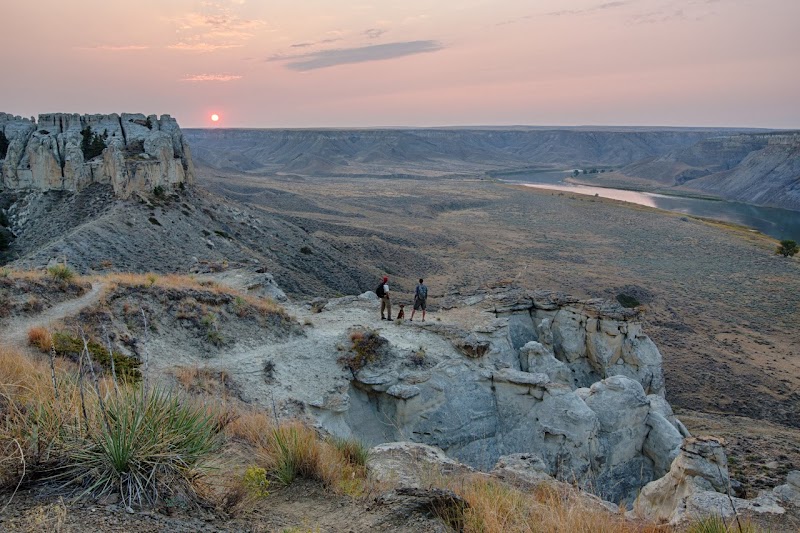
The Fort Peck Wildlife Management Area (WMA) is located along the southern and eastern shores of Fort Peck Lake in northeastern Montana, spanning a vast area of rolling plains, riverine habitats, and rugged badlands. Established to conserve habitat for waterfowl, big game, and other native species, the WMA is managed by the Montana Department of Fish, Wildlife & Parks. Ecologically, the area supports an array of wildlife including mule deer, white-tailed deer, elk, pronghorn antelope, and a variety of waterfowl such as ducks and geese. It is an important stopover for migratory birds and supports populations of upland game birds like pheasants and grouse. The shoreline and wetlands provide critical habitat for fish species found in Fort Peck Lake, including walleye, northern pike, and smallmouth bass, making it a popular fishing destination. Historically, the Fort Peck Dam, constructed in the 1930s as a New Deal project, created Fort Peck Lake, the fifth largest man-made reservoir in the United States, shaping the regional landscape. Recreational opportunities include hunting in season, birdwatching, fishing, wildlife photography, and hiking. Several boat ramps and access points provide opportunities for water-based recreation, and camping is available at nearby developed and primitive campgrounds. The WMA’s mix of open grasslands, river bottomlands, and rugged terrain offers scenic views and abundant wildlife viewing. Visitors appreciate the relatively remote feel and the chance to engage with open space and wildlife both in summer and winter months, with snow sports possible in colder seasons.
Field Guide · Wildlife Management Area

Notable Landscape Features

Iconic geological landmarks, alpine vantage points, and distinctive ecosystems in Fort Peck Wildlife Management Area.

Feature 1

Fort Peck Lake

One of the largest reservoirs in the U.S., providing critical habitat and diverse recreation opportunities.

Feature 2

Missouri River Corridor

A major waterway flowing adjacent to the WMA, offering scenic views and fish-rich waters.

Feature 3

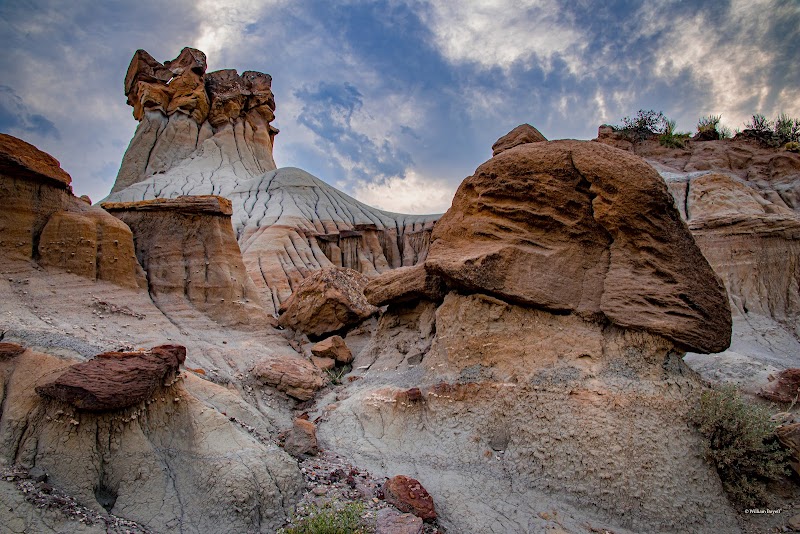
Grassland and Badlands Habitat

Extensive open grasslands and arid badlands support native wildlife like pronghorn and mule deer.

Key Wilderness Highlights

Fort Peck Lake shoreline and wetlands – critical habitat for diverse waterfowlAbundant mule deer and pronghorn populations offering excellent wildlife viewingAccess to the Missouri River corridor with scenic fishing and boatingIsolation and expansive open grasslands providing a quiet outdoor experience
Iconic Trails & Natural Landmarks

Top Trails & Sights in Fort Peck Wildlife Management Area

Discover summit paths, alpine loops, and natural wonders within this protected wilderness.

Moderate5

Cow Creek Trail

Runs along the lake shore, providing scenic views and frequent wildlife sightings.

Easy3

Missouri River Nature Trail

A short loop trail ideal for birdwatching and learning about riparian habitats.

Challenging7

Badlands Overlook Trail

Leads through rugged badlands terrain with panoramic views over the WMA and Fort Peck Lake.

Easy4

Prairie Walk Trail

A gentle trail through native grasslands showcasing wildflowers and prairie wildlife.

The Ranger Station

Visitor Logistics & Essential Planning

Everything you need to know about entrance passes, seasons, visitor centers, road transit, and wildlife safety in Fort Peck Wildlife Management Area.

Passes & Fees

Entrance Requirements & Interagency Passes

No general entrance fees; hunting and fishing require valid Montana licenses and permits.

Wilderness Checklist

Carry paper topographic map & compass in remote zones.
Store all food and scented items in approved bear canisters.
Check wildfire / smoke advisories before backcountry departure.
Pack out everything you pack in (Leave No Trace).
Wilderness Stays

Camping & Overnight Stays in Fort Peck Wildlife Management Area

Frontcountry developed campgrounds, backcountry wilderness permit guidelines, and starry-night camping advice.

Cow Creek Campground

Located near the southeastern end of Fort Peck Lake, offers access to boat ramps, fishing, and wildlife viewing.

Exhaust Creek Campground

A more remote site along Fort Peck Lake with minimal facilities, favored by anglers and hunters.

Adventure Basecamps

Gateway Towns Near Fort Peck Wildlife Management Area

Stay, dine, and gear up in these mountain towns and scenic desert basecamps surrounding the park.

Fort Peck, Montana, MT
Gateway Basecamp

Fort Peck, Montana, MT

Fort Peck, Montana, offers wide-open waters, excellent fishing, and quiet hiking trails ideal for outdoor lovers seeking peaceful adventure around one of the largest reservoirs in the U.S.

Late Spring through Early FallExplore Town
Glasgow, Scotland, United Kingdom, MT
Gateway Basecamp

Glasgow, Scotland, United Kingdom, MT

Glasgow blends city energy with nearby outdoor thrills like hiking the Campsie Fells and mountain biking Cathkin Braes. Follow riverside running paths or paddle along the Clyde for a diverse Scottish adventure experience.

Spring to AutumnExplore Town
Poplar, Montana, MT
Gateway Basecamp

Poplar, Montana, MT

Poplar, Montana, offers rugged outdoor adventure with access to Missouri River breaks and Fort Peck Lake. Ideal for hiking, fishing, boating, and bird watching, it’s a quiet spot to explore nature and Native American heritage.

Late Spring through Early FallExplore Town