Wilderness Landscape & Natural Heritage
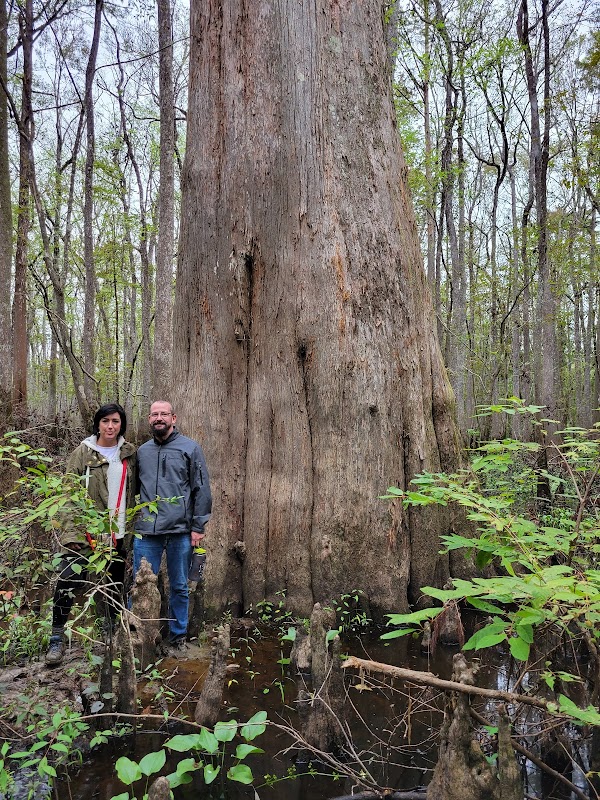
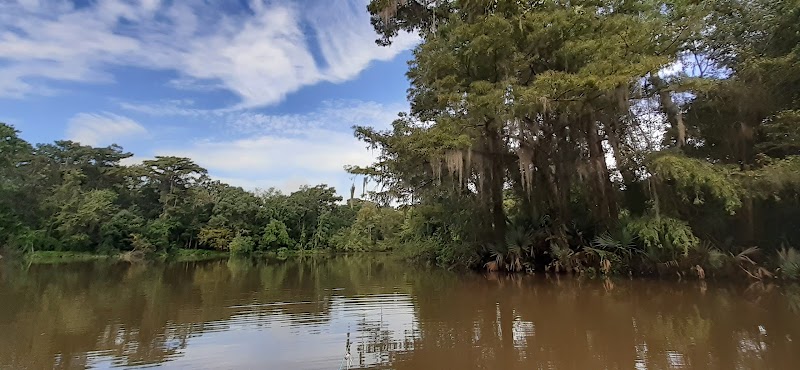
Grand Bay Wildlife Management Area (WMA) encompasses approximately 35,000 acres of salt and freshwater marshes, tidal bayous, and bottomland hardwood forests along the Gulf Coast of Alabama and Mississippi. The area includes several state-managed units such as the Mississippi Units, Mobile County Units, and Texas Flat. It represents one of the largest continuous coastal wetlands complexes in the southeastern United States, playing a critical role in supporting migratory birds, particularly waterfowl, as well as numerous fish and other wildlife species. The landscape is dominated by brackish marshes, tidal creeks, and forested wetlands that create a dynamic environment influenced by seasonal tides and river flows. Historically, the area has been important for commercial and recreational fishing as well as traditional waterfowl hunting. Today, the WMA is managed primarily for wildlife conservation and public hunting, but it also supports birdwatching, fishing, photography, and paddling. Visitors can explore the area by boat or foot, with specifically designated hunting zones and limited public access points. The variety of habitats supports species such as marsh wrens, herons, egrets, American alligators, and many fish species important for sport fishing. Its ecological importance includes serving as a nursery for estuarine fish and crustaceans and as a major stopover along the Central Flyway for migratory birds. The area's remote and often water-based terrain appeals to outdoor enthusiasts seeking solitude and a prime habitat for observing coastal wetland wildlife. Access and opportunities vary seasonally, aligned with migratory bird patterns and water levels.