Wilderness Landscape & Natural Heritage
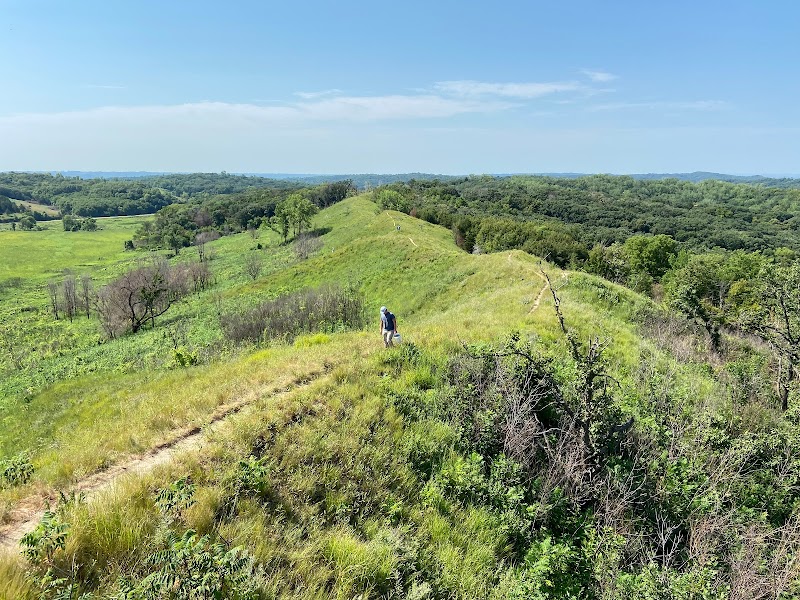
Loess Hills Wildlife Area is a distinctive natural region located along the western border of Iowa, adjacent to the Missouri River. Characterized by steep, irregular hills composed of windblown loess soil deposited during the last Ice Age, this area supports rare prairie ecosystems and a variety of wildlife. The topography includes narrow ridges, deep ravines, and high bluffs that provide scenic vistas and challenging terrain. Historically, this land was used by Native American tribes and later by settlers who adapted to the unusual topography. Today, the wildlife area is managed primarily by the Iowa Department of Natural Resources with a focus on protecting native vegetation, including prairie grasses and oak woodlands, as well as supporting populations of white-tailed deer, wild turkeys, and diverse bird species. It is especially valued by hunters for upland game birds and deer. Recreational activities include hiking on rugged trails that wind through hills and valleys, birdwatching opportunities for species like Mississippi kite and prairie falcon, and nature photography. Several designated trails provide views of the characteristic loess cliffs and the Missouri River valley beyond. The area’s varied habitats and geological features offer visitors a rich outdoor experience within a relatively small but ecologically important region. Loess Hills Wildlife Area appeals to those interested in geology, ecology, and traditional Iowa landscapes far different from the surrounding plains.