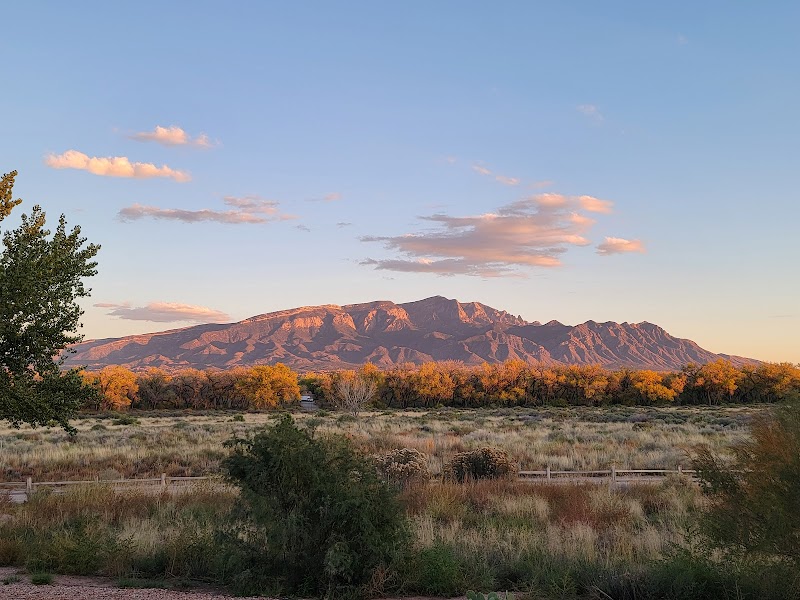
Wilderness Landscape & Natural Heritage
Located in the westernmost portion of Alaska, the Aleutian Islands National Wildlife Refuge spans over 2.3 million acres across numerous volcanic islands in the Aleutian Archipelago. This refuge preserves important habitats for seabirds, marine mammals, and other wildlife adapted to harsh subarctic maritime conditions. The islands form a critical breeding ground for millions of seabirds, including puffins, auklets, and murres, as well as habitat for species like the Aleutian cackling goose and Steller sea lion. The refuge's terrain is characterized by rugged volcanic peaks, windswept tundra, and rocky shorelines that provide rich feeding grounds and nesting sites. Historically, these islands were home to the native Unangan people and saw significant military activity during World War II, which adds cultural and historical significance to the landscape. Due to its remote location and extreme weather, visitor access is limited, mostly appealing to outdoor enthusiasts and researchers seeking wildlife observation, photography, and backcountry experiences. Access is commonly via boat or small plane, and the refuge’s vast expanse offers solitude and a glimpse into an untouched Northern Pacific environment. The refuge is managed by the U.S. Fish and Wildlife Service, focusing on conservation of the fragile island ecosystems and marine life. Its isolation contributes to a unique wilderness experience that is challenging yet rewarding for those prepared for its weather and logistical demands.