Wilderness Landscape & Natural Heritage
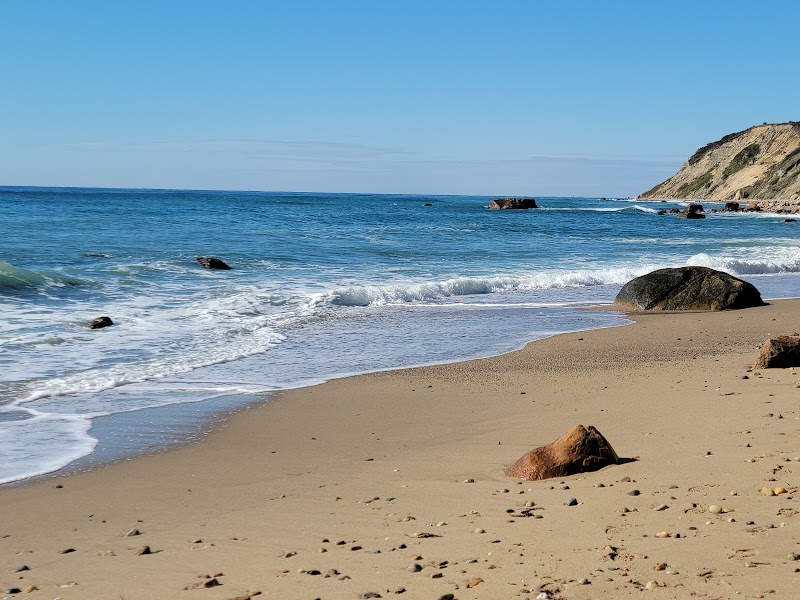
Amagansett National Wildlife Refuge, located on the eastern tip of Long Island, New York, encompasses approximately 36 acres of diverse coastal habitats including salt marshes, dunes, and coastal ponds. Established in 1968, this refuge serves as a critical stopover point for migratory birds along the Atlantic Flyway, supporting a rich variety of species including waterfowl, shorebirds, and songbirds. The refuge’s salt marsh supports species such as sharp-tailed sparrows and willets while the surrounding dune systems provide nesting habitat for piping plovers and least terns, both of which are protected species. The refuge’s location near the Atlantic Ocean and proximity to nearby bays create a unique ecological environment that supports both terrestrial and aquatic wildlife. Visitors to the refuge can enjoy quiet birdwatching opportunities, photography, and short nature walks along informal paths. Due to its small size and sensitive habitats, the refuge primarily attracts those seeking peaceful wildlife viewing experiences rather than extensive hiking or recreational activities. Amagansett is part of the larger Long Island National Wildlife Refuge Complex, administered by the U.S. Fish and Wildlife Service, committed to preserving coastal ecosystems and migratory bird populations. The area's history includes early conservation efforts to protect the fragile dunes and marshes from development pressures common in the Hamptons region. Today, it remains an important natural preserve within a rapidly growing suburban and coastal environment. Visitors appreciate the refuge’s natural quiet and scenic views of coastal wetlands and beach landscapes, making it a valuable spot for nature education and conservation awareness.