Wilderness Landscape & Natural Heritage
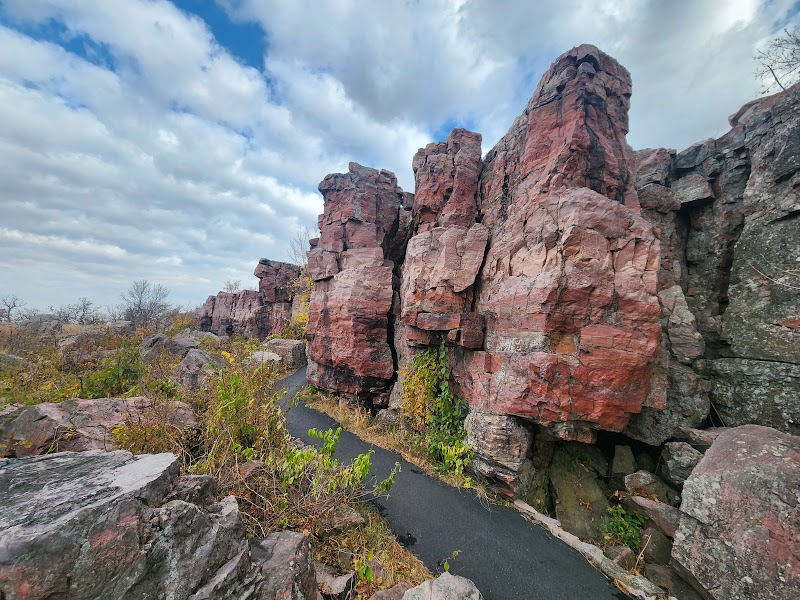
Big Stone National Wildlife Refuge spans approximately 11,500 acres across western Minnesota and eastern South Dakota, bordering Big Stone Lake, which feeds into the Minnesota River. Created in 1975, the refuge was established to safeguard critical habitat for migratory waterfowl and other wetland-dependent wildlife. The refuge's landscape is characterized by a mosaic of wetlands, marshes, open waters, native grasslands, and upland forests. Big Stone Lake itself is a significant natural feature, serving as a key stopover for thousands of waterfowl during migration seasons. Ecologically, the refuge supports diverse bird species including Canada geese, mallards, tundra swans, and a variety of shorebirds, making it a hotspot for birdwatchers year-round. In addition to its importance for avian species, the refuge sustains populations of white-tailed deer, beavers, muskrats, and other mammals native to the prairie pothole region. Recreational opportunities include wildlife observation from several designated viewing areas and trails, fishing in Big Stone Lake and its tributaries, and limited hunting during regulated seasons. The refuge also features educational programs aimed at raising awareness regarding wetland conservation. Visitors appreciate the area's serene setting, particularly during spring and fall migrations when bird activity is at its peak. The refuge is accessible year-round, though some trails and roads may be seasonal due to weather conditions. Overall, Big Stone National Wildlife Refuge offers an excellent outdoor experience focused on wildlife appreciation, photography, and quiet exploration within a critical prairie-wetland ecosystem.